


An ACL injury can sideline even the most dedicated athletes, making recovery feel overwhelming and uncertain. So, what are the most effective ACL rehab exercises? Quad sets, straight leg raises, and single-leg squats are among the top choices recommended by physical therapists worldwide.
Starting rehab with the right exercises at the right time makes a massive difference in your recovery outcome. Rushing or skipping phases can seriously set back your healing progress and increase reinjury risk.
If you want a clear, phase-by-phase breakdown of proven ACL rehab exercises, you are in the right place. Keep reading to learn exactly what to do, when to do it, and how to return to sport safely.
What Are ACL Rehab Exercises?
ACL rehab exercises are structured movements designed to restore strength, stability, and a full range of motion after an ACL tear. They follow a phased approach, progressing gradually from gentle mobility work to sport-specific training.
These exercises apply to both post-surgical patients and those managing a torn ACL without surgery. The goal is always the same: to rebuild the knee’s function and prevent reinjury during daily activities or sports.
A licensed physical therapist should always guide your rehab program. Self-directed recovery without professional supervision increases your chances of making mistakes that delay healing significantly.
Most Effective ACL Rehab Exercises
Choosing the right exercises at each recovery stage is critical for safe and efficient healing. Here is a breakdown of the most effective ACL rehab exercises, organized from early-phase to return-to-sport drills.
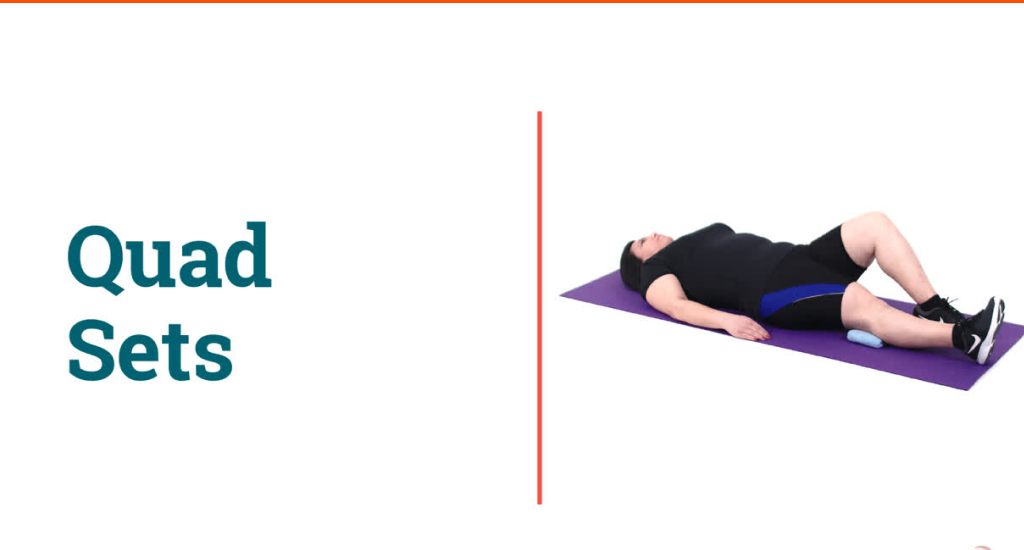
1. Quad Sets
Quad sets are the first exercise most patients learn after ACL surgery. They activate the quadriceps muscle without placing any stress on the healing knee joint.
How to do it:
- Lie flat on your back with your leg straight
- Tighten your quads by pressing the back of your knee into the floor
- Hold the contraction for 5 to 10 seconds, then release
- Complete 10 to 15 reps per session, multiple times daily
2. Heel Slides
Heel slides focus on restoring the knee flexion range of motion lost after surgery or injury. This gentle movement helps reduce stiffness without overloading the joint.
How to do it:
- Lie on your back with both legs flat on the surface
- Slowly slide your heel toward your buttocks, bending the knee
- Hold briefly at the top, then slide back to the starting position
- Repeat 10 to 15 times per session
3. Straight Leg Raises
Straight leg raises build quad and hip flexor strength without bending the knee joint at all. This makes them extremely safe and effective during the early recovery phase.
How to do it:
- Lie flat, bend your unaffected leg, and keep the injured leg straight
- Tighten your quad and lift the straight leg to about 45 degrees
- Hold for 2 seconds, then lower it slowly back down
- Aim for 3 sets of 10 to 15 repetitions
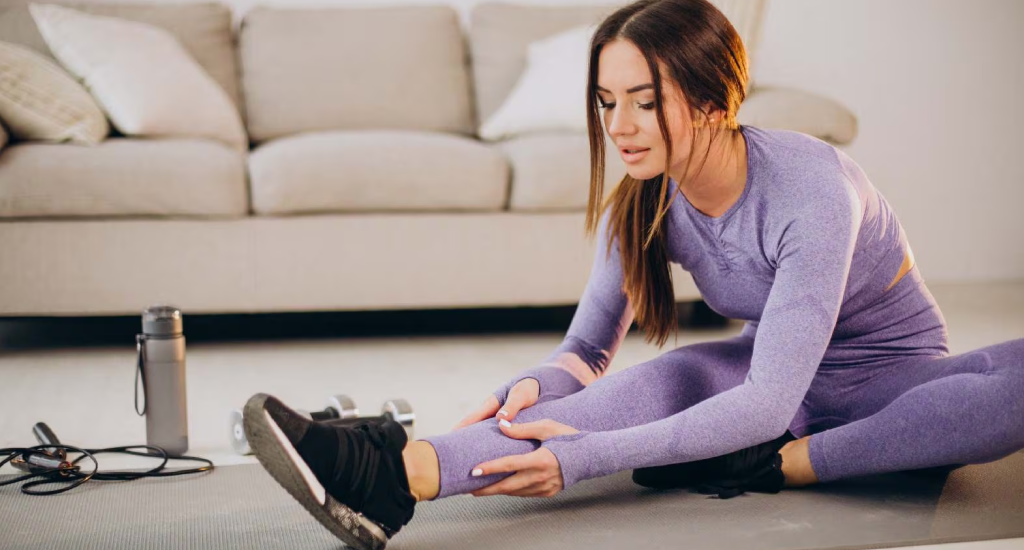
4. Ankle Pumps
Ankle pumps are simple but important for reducing swelling and improving circulation right after surgery. They keep blood moving and help prevent dangerous clotting in the leg.
How to do it:
- Sit or lie down with your leg elevated comfortably
- Flex your foot upward toward your shin, then point it downward
- Move slowly and rhythmically, completing 20 to 30 pumps each session
- Repeat several times throughout the day as needed
5. Mini Squats and Wall Squats
Mini squats introduce controlled weight-bearing and start rebuilding quad and glute strength safely. Wall squats add extra support, making them great for early Phase 2 training.
How to do it:
- Stand with your back against a wall, feet shoulder-width apart
- Slowly lower into a shallow squat, bending knees to about 30 to 45 degrees
- Hold for 5 to 10 seconds, then push back up steadily
- Perform 2 to 3 sets of 10 repetitions daily
6. Forward Step-Ups
Step-ups are excellent for building single-leg strength, balance, and proprioception during the mid-phase of ACL rehabilitation. They mimic real-life functional movement patterns very well.
How to do it:
- Stand in front of a low step or platform
- Step up with your recovering leg, driving through the heel
- Bring the other foot up, then step back down in a controlled manner
- Complete 3 sets of 10 to 12 reps on each leg
7. Single-Leg Squats and Lunge Variations
Single-leg squats and lunge variations mark Phase 3 of ACL rehab, demanding more strength and stability. Kickstand squats and split squats are great starting points before full single-leg loading.
How to do it:
- Start with a kickstand squat, place one foot slightly behind for balance support
- Lower your body slowly, keeping your front knee aligned over your toes
- Progress to full single-leg squats as strength and confidence improve
- Perform 3 sets of 8 to 10 reps each side
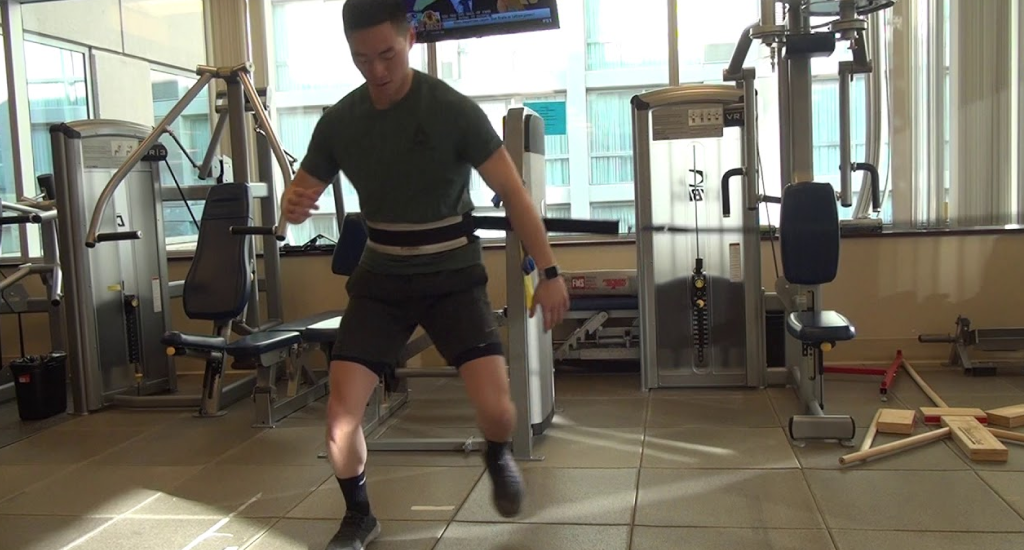
8. Mini Jumps and Sport Cord Drills
These Phase 4 plyometric exercises prepare you for the dynamic demands of sport and full athletic activity. They rebuild explosive power, landing mechanics, and lateral movement patterns that are very suitable for hockey physiotherapy support.
How to do it:
- Start with double-leg mini jumps, focusing on soft, controlled landings
- Progress to single-leg hops once double-leg stability feels solid
- Add sport cord resistance drills for lateral and forward-backward movement
- Always prioritize landing quality over jump height or distance
What to Avoid During ACL Rehab
Knowing what not to do during recovery is just as important as knowing the right exercises. Avoiding common mistakes can protect your graft and keep your healing timeline on track.
Deep Knee Flexion Too Early
Bending the knee deeply before the graft has healed puts dangerous stress on the repair. Most protocols restrict deep flexion during the first four to six weeks post-surgery.
High-Impact Activities Before Clearance
Running, jumping, or cutting before your therapist clears you significantly raises your reinjury risk. Patience during this phase is one of the most important parts of successful recovery.
Skipping Rehabilitation Phases
Jumping ahead to advanced exercises too quickly is one of the most common rehab mistakes. Each phase builds the foundation that the next one depends on, so never skip steps in the process.
Pivoting or Cutting Without Clearance
Rotational movements place enormous stress on the ACL graft before it fully matures. Avoid all sport-specific pivoting and cutting until your physical therapist explicitly approves those activities.
Training Without Professional Supervision
Self-managing an ACL rehab program without expert guidance leads to poor outcomes far too often. For structured, supervised knee rehab in the area, Rehabletics in Cherry Hill, NJ offers specialized programs tailored to your recovery stage.
Common Mistakes That Slow ACL Recovery
Even motivated patients make mistakes that unknowingly delay their progress and extend recovery timelines. Understanding these pitfalls helps you stay on the right path throughout every phase.
Ignoring Pain Signals
Pain during exercises is your body signaling that something is wrong and needs attention. Pushing through sharp or persistent pain can cause further damage to the healing graft tissue.
Neglecting Hip and Glute Strength
Many patients focus only on the knee while ignoring the hips and glutes entirely. Weak hips increase knee stress and raise the risk of reinjury once you return to activity.
Inconsistent Rehab Attendance
Missing sessions regularly slows your progress and disrupts the carefully planned phase progression. Consistent attendance at a trusted facility like Rehabletics in Cherry Hill, NJ keeps your recovery moving forward efficiently.
Poor Sleep and Recovery Habits
Healing happens during rest, and poor sleep significantly slows tissue repair and overall recovery. Prioritizing 7 to 9 hours of quality sleep each night supports faster, more complete healing outcomes.
Returning to Sport Too Soon
Athletes often feel ready before their knee actually is, making premature return dangerous. Return-to-sport clearance should always be based on objective testing, not just how the knee feels.
Conclusion
ACL rehab exercises are the backbone of a successful recovery, whether you have had surgery or are managing conservatively. Following a structured, phased approach and working with a qualified physical therapist gives you the best possible chance of returning to full activity.
If you are searching for expert-guided knee rehabilitation, contact Rehabletics in Cherry Hill, NJ. They provide comprehensive, sport-focused recovery programs for ACL and other knee injuries.