


Sports Injuries Treatment in Cherry Hill, NJ


Google Rating · 62 Reviews
Treatment Modalities
Athlete-First Approach
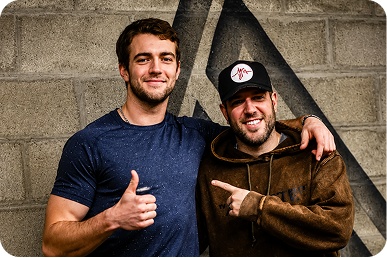
That sharp pull in your hamstring. The knee that gives out every time you cut. The shoulder that aches long after the final whistle. A sports injury does more than hurt. It pulls you away from your team, your training and the game you love. At Rehabletics, our sports injury treatment is built to get you back on the field stronger than before. Dr. Jaime Mor, PT, DPT, ATC, and our team work one-on-one with athletes and active adults from across South Jersey, combining hands-on care, smart technology and sport-specific training to help you return with confidence.
Ready to start healing? Request your evaluation with Rehabletics today.
Get Back to the Game You Love, Stronger Than Before
Most athletes try to play through pain for too long. Some rest for weeks and hope it goes away. Others get cleared, go back too fast and end up hurt again. None of those paths fixes the real problem.
Sports injury rehabilitation works best when it answers three questions: what is injured, why it happened and what your body needs to handle your sport again. That’s exactly how we approach every athlete who walks through our door. You get a clear diagnosis, a plan made for your sport and a therapist who stays with you from the first visit to your return to play.
Common Sports Injuries We Treat
Sports injuries are muscle, bone, joint and soft-tissue injuries that happen during training or competition. Some arrive suddenly from a fall, collision or awkward twist. Others build slowly from repeating the same motion over and over until the tissue can’t keep up.
What Are the Top Sports Injuries?
The injuries we see most often in our Cherry Hill clinic include:
- Sprains of the ankle, knee and wrist
- Muscle strains of the hamstring, groin, quad and calf (including tennis leg)
- Knee injuries such as ACL, MCL and meniscus tears and runner’s knee
- Shoulder injuries such as rotator cuff strains, impingement and instability
- Tendinitis and overuse injuries such as patellar tendinitis, Achilles pain and tennis elbow
- Shin splints, stress reactions and stress fractures
- Low back and hip pain from repetitive twisting, bending and impact
If you’ve torn or sprained a knee ligament, our ACL injury rehab program covers both non-surgical care and recovery after reconstruction. Pulled muscles get a dedicated plan through our muscle strain treatment.
Acute vs Overuse Injuries
Acute injuries happen in a single moment: a rolled ankle, a hamstring that grabs mid-sprint or a knee that pops on a landing. Overuse injuries creep in over weeks. They often start as mild soreness after practice and slowly turn into pain that limits how you train. Both respond well to sports injury physical therapy, but they need different plans, which is why a proper evaluation comes first.
When Should You See a Sports Physical Therapist?
See a sports physical therapist if your pain doesn’t ease within a few days, keeps coming back each time you return to training or changes the way you run, jump or throw. Early care usually means a shorter, smoother sports injury recovery.
Book an evaluation if you notice:
- Pain that lasts longer than three to five days despite rest
- Swelling, bruising or stiffness that isn’t improving
- A joint that feels loose, weak or like it might give way
- Pain that returns every time you go back to your sport
- Soreness that is getting worse week after week
Get immediate medical care if you can’t put any weight on the area, notice an obvious deformity, hear a loud pop followed by fast swelling, have numbness or tingling, or show any signs of a head injury or concussion.
New Jersey allows direct access, so you can start physical therapy without a doctor’s referral.
How Our Sports Injuries Treatment Works at Rehabletics
Every session is one-on-one, with a Doctor of Physical Therapy for the full hour. No hand-offs to aides and no juggling four patients at once. Here’s how we take you from injured to game-ready.
Step 1: Thorough Evaluation and Diagnosis
Recovery starts with understanding what went wrong. We review how the injury happened and ask about your sport, position, training load and goals. Then we test your strength, mobility and movement, looking above and below the sore spot to find the real cause. When it helps, we use Kinvent force plates and strength dynamometers to measure side-to-side differences with real numbers instead of guesswork. If imaging or a physician’s opinion is needed, we help coordinate it.
Step 2: Pain and Inflammation Relief
In the early stage, the priority is calming pain and swelling so healing can begin. That may include relative rest from aggravating activities, ice or compression, and gentle, pain-free movement to keep the area from stiffening. Hands-on manual therapy helps restore joint motion and ease tight, guarded tissue. For stubborn muscle tightness, dry needling can release trigger points so you can move and load more comfortably.
Step 3: Personalized Sports Injury Rehab
This is where Rehabletics stands out. Your plan rebuilds strength, mobility, balance and control, progressing at the pace your body is ready for. When heavy lifting isn’t safe yet, blood flow restriction training lets you build strength with light loads, which is especially useful early after injury or surgery. With more than 20 treatment options under one roof, we can match the right tools to your injury instead of fitting you into a one-size plan.
Step 4: Pre-Surgery and Post-Surgery Rehab
If your injury needs surgery, strong rehabilitation before and after the procedure makes a real difference. Prehab helps you go into surgery with less swelling, better motion and stronger muscles. After the operation, our post-surgical rehabilitation guides you safely through every phase, from the first weeks to full training.
Step 5: Return-to-Sport Training and Testing
Healing the injury is only half the job. Coming back too soon is one of the most common reasons athletes get reinjured. Before you’re cleared, we retrain the movements your sport demands, such as sprinting, cutting, jumping, landing and throwing, and test them under load. Objective data from force plate testing helps show when your injured side is ready to keep up with the healthy one.
Ask a Specialist!
🔒 Your info is safe. We never share it.
Sports Injury Physical Therapy for Every Sport
Every sport stresses the body differently. A lacrosse midfielder, a cheer flyer and a weekend golfer may all walk in with “shoulder pain,” yet each needs a different plan. Here’s a look at the sports we treat most and the injuries that come with them.
American Football
Football combines contact, sprinting and sudden changes of direction, so knee ligament tears, ankle sprains, shoulder separations, hamstring strains and concussions are common. Our rehab focuses on rebuilding strength, power and joint stability so players can handle contact and explosive movement again. Concussions are managed alongside a physician.
Soccer
Soccer players cut, pivot and kick for 90 minutes, which puts the ACL, ankles, hamstrings and groin under constant stress. We work on landing and cutting mechanics, hip and hamstring strength, and balance to help players return and lower their risk of the next injury.
Field Hockey
The bent-over playing position puts heavy demand on the lower back and hips, while quick stops and turns stress the ankles and knees. Field hockey athletes also take stick and ball impacts. Rehab targets trunk and hip strength, back endurance and agility so players can stay low without pain.
Lacrosse
Lacrosse blends running, cutting, shooting and contact. We often treat ACL and ankle injuries, hamstring strains and shoulder problems from repeated shooting and checking. Plans combine lower-body stability with shoulder and rotational strength.
Cross Country Running
Cross country runners log high mileage on uneven ground, which can lead to shin splints, stress reactions, Achilles pain, runner’s knee and IT band issues. We look at training load, running form and strength to fix the cause. Distance runners can also explore our dedicated running injury care.
Cheerleading
Cheerleading involves tumbling, stunting and repeated landings. Wrist, ankle and knee sprains, low back pain and shoulder strain are common for bases and flyers alike. Rehab builds landing control, core strength and upper-body stability for safer stunting.
Volleyball
Repeated jumping and overhead hitting make volleyball players prone to patellar tendinitis (jumper’s knee), ankle sprains from net landings and shoulder overuse. We focus on jump and landing mechanics, tendon loading and shoulder endurance.
Tennis
Tennis players are known for tennis elbow, shoulder overuse and ankle sprains, along with a calf injury called tennis leg. Rehab addresses the whole chain, from leg drive and trunk rotation to grip and shoulder strength, so the arm isn’t doing all the work.
What is tennis leg? Tennis leg is a strain or tear of the inner calf muscle (the medial gastrocnemius), usually felt as a sudden “kick” or pop in the back of the calf while pushing off. It’s most common in active adults over 30. Tennis leg rehab typically starts with protecting the calf and controlling swelling, then moves into gentle range of motion, progressive calf strengthening and finally the running, jumping and lateral footwork you need on court. Sudden calf swelling with redness and warmth should be checked by a doctor to rule out a blood clot.
Golf
The golf swing is a fast rotational movement repeated hundreds of times. Low back pain, golfer’s elbow, wrist pain and shoulder or hip stiffness are the usual complaints. We restore hip and thoracic mobility, core control and swing-specific strength so you can play pain-free and keep your distance.
What Sports Injury Recovery Looks Like
Every recovery is different, but most follow the same five steps:
- Evaluation: Find out exactly what’s injured and why.
- Treatment plan: Map out your rehab around your sport, your schedule and your goals.
- Active rehabilitation: Rebuild strength, mobility and control with hands-on care and targeted exercise.
- Return to activity: Reintroduce sport-specific drills and test readiness before full clearance.
- Prevention and performance: Keep building so you come back stronger and stay healthy.
How long it takes depends on the injury, its severity and your goals. Many minor strains and sprains improve within a few weeks, while ligament tears and post-surgical recovery typically take several months. We track your progress at every stage, so you always know where you stand.
Preventing Future Sports Injuries
The best injury is the one that never happens. These habits help keep athletes in the game:
- Warm up and cool down with dynamic movement before play and light mobility after.
- Increase training gradually instead of jumping in mileage, volume or intensity.
- Use the right gear and technique for your sport and position.
- Cross-train to build balanced strength and avoid overloading the same tissues.
- Prioritize recovery with enough sleep, nutrition and rest days.
A preseason movement screen can also flag weak links and asymmetries before they turn into injuries.
Why Cherry Hill Athletes Choose Rehabletics
When you’re hurt, you want a team that treats you like more than a chart number.
- One-on-one care for the full hour. You work with a Doctor of Physical Therapy every session.
- Pro-level expertise. Dr. Jaime Mor, PT, DPT, ATC, leads our team, which serves as a PT contractor for the Philadelphia Flyers and Philadelphia Eagles. Athletes from the NFL, NHL, MLB, NBA, UFC, NWSL and NCAA trust our care.
- Care for every level. We work with high school athletes, weekend warriors, recreational players and competitive pros.
- Data-driven decisions. Force plates and strength testing guide your plan and your return to sport.
- Lasting results. We fix the cause and build resilience so the same injury doesn’t keep coming back.
Serving Cherry Hill, NJ, and Surrounding Communities
Our clinic at 5 Esterbrook Lane, Cherry Hill Township, NJ 08003, is an easy drive for athletes across South Jersey. Families and active adults travel to us for sports injury therapy from nearby towns such as Voorhees, Haddonfield, Mount Laurel and Marlton. We’re open Monday through Friday from 7:00 AM to 7:00 PM, Saturday from 8:00 AM to 12:00 PM and Sunday from 9:00 AM to 12:30 PM, so it’s easier to fit rehab around school, work and practice.
Take the First Step Toward Recovery
Your injury doesn’t have to define your season. The sooner you get the right plan, the sooner you get back to playing, training and competing without holding back. Call our Cherry Hill clinic at 609-354-7987 or book your sports injury evaluation today.
Ask a Specialist!
🔒 Your info is safe. We never share it.
Frequently Asked Questions
How long does it take to recover from a sports injury?
It depends on the injury and how severe it is. Many mild sprains and strains improve within a few days to a few weeks, while ligament tears or injuries that need surgery typically take several months. A structured rehab plan helps you heal well and return without setbacks.
Do I need physical therapy for a sports injury?
Most sports injuries benefit from physical therapy. Even after pain fades, strength, mobility and control are often still below normal, which raises the risk of getting hurt again. Rehab closes those gaps so you return ready, not just pain-free.
Can you treat my sports injury without surgery?
Many sports injuries respond well to conservative care, including most strains, sprains, tendinitis and overuse injuries. If we believe a surgical opinion is the right next step, we'll tell you and help you prepare with prehab, then guide your recovery afterward.
How do I know when it's safe to return to my sport?
Pain-free daily activity isn't enough. We use functional movement testing and strength data to compare your injured side with your healthy side, then progress you through sport-specific drills before full clearance.
Do you work with athletes of all levels?
Yes. We treat high school and college athletes, weekend warriors, recreational players and professional athletes, with every plan built around your sport and goals.