


Shoulder Pain Relief in Cherry Hill, NJ So You Can Lift, Reach, and Play Again

Google Rating · 62 Reviews
Treatment Modalities
Athlete-First Approach
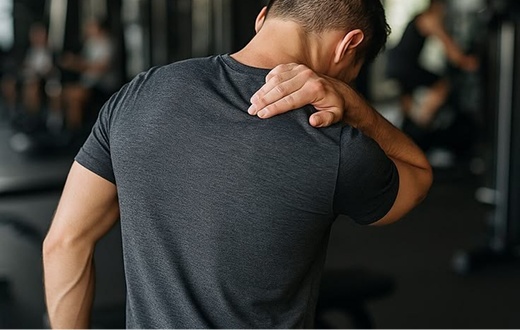
Maybe it’s a sharp pinch every time you reach for the top shelf. Maybe it’s a deep ache that wakes you up at night or a twinge that showed up after your last shoulder press and never left. Whatever it feels like, real shoulder pain relief starts with finding out why it hurts. Sports physical therapy can help, often without medication, injections or surgery. At Rehabletics, Dr. Jaime Mor, PT, DPT, ATC, and our team build a one-on-one plan that calms the pain, restores your motion and rebuilds the strength your shoulder needs to stay healthy.
Ready to stop guessing? Book your shoulder evaluation at Rehabletics today.
Why Your Shoulder Hurts More Than Almost Any Other Joint
Your shoulder is the most mobile joint in your body. It lets you throw, swim, lift and reach behind your back, but that freedom comes at a cost. The ball of the upper arm sits in a shallow socket, a little like a golf ball on a tee, so the joint depends on muscles and tendons to hold it in place.
The most important of those is the rotator cuff, a group of four muscles and tendons that both move and steady the shoulder. Your shoulder blade matters just as much. It is the moving base the whole arm works from. When any of these structures get inflamed, pinched, torn or worn down, the result can range from a dull ache to a sharp, stabbing pain.
Common Signs Your Shoulder Needs Attention
- Pain when you lift your arm overhead, reach behind you or reach forward
- Stiffness or a shrinking range of motion
- Weakness when you carry, push or pull
- Popping, clicking or grinding as you move
- Aching at night or trouble sleeping on that side
- Pain that spreads into your neck, upper back or arm
- Swelling, warmth or tenderness in one spot
What Causes Shoulder Pain? The Most Common Culprits
Most shoulder pain comes from a handful of problems. Pinpointing yours is the first step in treating it the right way.
Rotator Cuff Tendinitis and Bursitis
The rotator cuff tendons run under a bony arch at the top of the shoulder. Repeated overhead work, sports or yard work can irritate them, and the small fluid sac nearby (the bursa) often swells along with them. This is one of the most common reasons for an aching shoulder that gets worse at night.
Rotator Cuff Tears
A tendon can tear suddenly in a fall or a heavy lift, or it can fray slowly over years of wear. Many partial tears respond well to focused physical therapy without surgery.
Shoulder Impingement
With impingement, the top of the shoulder blade pinches the tendons and bursa underneath it each time you raise your arm. Over time, that repeated friction irritates the area. Correcting how your shoulder blade and arm move together usually takes the pressure off. Our guide to shoulder impingement tests, exercises and recovery explains it in more detail.
Frozen Shoulder
Frozen shoulder happens when the tissue around the joint thickens and tightens. Movement becomes stiff and painful, and in some cases the shoulder can barely move at all. Guided stretching and hands-on care are the foundation of recovery.
Shoulder Instability and Dislocation
When the ball of the upper arm slips partly or fully out of the socket, the ligaments and muscles that support it get stretched or damaged. The shoulder can then feel loose or unreliable. Strengthening the muscles that stabilize the joint helps restore confidence in the arm.
Arthritis
Wear-and-tear arthritis brings gradual pain and stiffness, often worse in the morning. The right mix of movement, strengthening and pain management helps you stay active and comfortable.
Fractures and Trauma
A broken collarbone, shoulder blade or upper arm causes sudden, severe pain, swelling and bruising. Once the bone has healed, rehab rebuilds your strength and motion safely. If you’re recovering from shoulder surgery, our post-surgical rehabilitation program guides you through each phase.
Why Does My Shoulder Hurt After a Shoulder Press?
Pain after an overhead press usually comes from irritated rotator cuff or biceps tendons at the front or top of the shoulder. Common triggers include adding weight too quickly, pressing with the elbows flared wide, a stiff upper back that forces the shoulder to do extra work, and a shoulder blade that doesn’t rotate upward smoothly. If the pinch fades within a day or two after you lighten the load, it’s often a simple overload. If it keeps returning, a movement assessment can find the weak link before it becomes a tear.
Left Shoulder Pain, Right Shoulder Pain and Pain That Travels
Where you feel your pain gives useful clues about what’s behind it.
What Causes Left Shoulder Pain?
Most left shoulder pain comes from the same problems listed above: rotator cuff irritation, impingement, a muscle strain or frozen shoulder. Pain deep in the left shoulder joint often points to the rotator cuff or the joint itself, especially if it hurts to lift your arm or sleep on that side.
Important safety note: Left shoulder pain that comes with chest pressure, shortness of breath, sweating, nausea, or pain spreading to the jaw or arm can be a sign of a heart attack. Call 911 right away.
Right Shoulder Pain: The Most Common Reasons
For most people, the right arm is the dominant arm, so it takes on more lifting, throwing and reaching. That makes overuse problems such as rotator cuff tendinitis and impingement especially common on the right side. Less often, pain at the tip of the right shoulder can be referred from the gallbladder or liver. If it comes with pain in the upper right belly, nausea or fever, see a doctor first.
Shoulder Pain That Radiates Down the Arm
Rotator cuff pain often spreads to the outside of the upper arm, sometimes as far as the elbow. That’s normal for a shoulder problem. Pain that travels past the elbow into the forearm or hand, especially with numbness, tingling or weakness, more often starts at a pinched nerve in the neck. A good evaluation checks both your shoulder and your neck so nothing gets missed.
Shoulder Blade Pain: Pulled Muscles, Posture and Your Upper Back
Pain in or around the shoulder blade is a little different from pain in the shoulder joint itself. It often comes from the muscles that hold the shoulder blade in place or from the upper back.
Pain in the Left Shoulder Blade
Pain along or under the left shoulder blade most often comes from tight or strained muscles, rounded posture during long hours at a desk, or stiffness in the upper back. Pain from the neck can also be felt here. As with left shoulder pain, sudden shoulder blade pain with chest pressure or trouble breathing needs emergency care.
Pulled Shoulder Blade Muscle
A pulled shoulder blade muscle, such as a strained rhomboid or levator scapulae, usually feels like a sharp or burning spot between the spine and the shoulder blade. It often follows a heavy row, a hard throw, an awkward lift or simply sleeping in a bad position. Many mild strains settle within a few days to a couple of weeks with gentle movement. Our muscle strain treatment helps when the pain lingers or keeps coming back.
Thoracic Spondylosis Symptoms
Thoracic spondylosis is age-related wear in the joints and discs of the mid-back. Common symptoms include mid-back stiffness, an ache that can spread toward the shoulder blades, trouble twisting or bending, and creaking as you move. Because a stiff upper back changes how the shoulder moves, it often shows up alongside shoulder blade pain. Targeted mobility and strength work can help you move more freely.
Causes of Shoulder Pain in Women and Men
Shoulder pain can affect anyone, but some patterns show up more often in one group.
- In women, frozen shoulder is more common, especially between about 40 and 60 years of age and in people with diabetes or thyroid conditions. Hormonal changes, carrying heavy bags on one side and repetitive work at a desk can add to the load.
- In men, rotator cuff tears, AC joint sprains and dislocations from contact sports, heavy lifting and physical jobs are common causes. Shoulder pain after bench pressing or overhead pressing is also something we see often.
Whatever your age or sex, the treatment starts the same way: a clear diagnosis of what is actually causing your pain.
Ask a Specialist!
🔒 Your info is safe. We never share it.
When to See a Shoulder Pain Specialist in Cherry Hill, NJ
Book an evaluation with a sports physical therapist if:
- Your pain lasts more than 2 to 4 weeks even with rest and home care
- Weakness makes it hard to use your arm normally
- Pain keeps waking you up at night
- Your stiffness keeps getting worse
- The pain keeps coming back every time you return to training
Get prompt medical care for an obvious deformity, major swelling or severe pain after an injury.
In New Jersey, you can start physical therapy without a doctor’s referral. Learn how direct access physical therapy in NJ works.
How Rehabletics Provides Shoulder Pain Treatment
Our goal isn’t just to quiet today’s pain. We want to rebuild your shoulder so it can handle the work, lifting and sport you love. Every session is one-on-one, with one therapist focused on you for the full visit.
Step 1: A Thorough One-on-One Evaluation
We review your history and how the pain started, watch how you move, and test your strength, range of motion and posture. We also check your neck and upper back. Then we explain what we found in plain language, so you know exactly what’s going on and what the plan is.
Step 2: Hands-On Care to Calm the Pain
Manual therapy reduces pain, releases tight tissue and restores smoother shoulder movement. That early relief makes the strength work that follows more effective. Depending on your case, we may add tools such as:
- Dry needling for tight shoulder and upper back muscles
- Cupping therapy to ease tension around the shoulder blades
- Shockwave therapy for stubborn shoulder tendon pain, including calcific tendinitis
Step 3: Targeted Strengthening
Progressive exercise rebuilds the rotator cuff and the muscles that control your shoulder blade, fixing the imbalances behind the pain. Every exercise has a purpose, and we coach your form so you get the most from it.
Step 4: Movement Retraining and Posture Correction
We retrain how you reach, lift, carry, press and throw, and we fix the postural habits that strain your shoulder day to day. This is what keeps the pain from coming back once you leave the clinic.
Step 5: A Plan to Keep It From Returning
Before you finish, you’ll have a home program you can keep up with to maintain the strength and resilience you built.
How to Reduce Shoulder Pain at Home
These steps can help while you wait for your evaluation or between visits:
- Use ice for flare-ups. Wrap a cold pack in a thin towel and apply it for about 15 minutes at a time to calm inflammation.
- Use heat for stiffness. A warm compress relaxes tight muscles and often helps with arthritis.
- Rest smart. Avoid the movements that set off your pain, but keep the shoulder gently moving.
- Watch your posture. Sitting tall with your shoulders relaxed takes strain off the joint.
- Keep it moving. Light, pain-free range-of-motion work helps prevent stiffness from building.
What Is the Best Medication for Shoulder Pain?
Over-the-counter options such as ibuprofen, naproxen or acetaminophen can ease pain for a short time, and a topical anti-inflammatory gel may help as well. Ask your doctor or pharmacist which is safe for you. Medication can take the edge off, but it doesn’t fix the weakness, stiffness or movement problems behind the pain. That’s where physical therapy comes in.
How Do You Get Rid of Shoulder Pain for Good?
Lasting shoulder pain relief comes from treating the cause, not just the symptoms. For most people, that means calming the irritated tissue, restoring full motion, strengthening the rotator cuff and shoulder blade muscles, and changing the habits or training errors that started the problem. A guided plan helps you do all four in the right order.
What Recovery Looks Like
Every shoulder is different, but recovery usually moves through three general phases:
- Calm the pain. Reduce irritation and muscle guarding so you can move more comfortably.
- Restore motion and strength. Regain your range of motion and build strength in the rotator cuff, shoulder blade and upper back.
- Return to full activity. Get back to lifting, throwing, swimming and daily life with mechanics that protect your shoulder.
Minor overuse problems often improve within weeks. Rotator cuff problems and frozen shoulder typically take longer. We’ll track your progress at every stage so you always know where you stand.
Why Athletes and Active Adults Choose Rehabletics
- One-on-one care. You get one therapist’s full attention for the whole session, every visit. You won’t be passed between assistants.
- Root-cause treatment. We treat why your shoulder hurts, not just where.
- Sports-level expertise. Dr. Jaime Mor, PT, DPT, ATC, leads our team, which serves as a sports physical therapy contractor for the Philadelphia Flyers and Philadelphia Eagles. We’ve worked with athletes from the NFL, NHL, MLB, NBA, UFC, NWSL and NCAA.
- 20+ treatment options under one roof. Your plan can include the tools that fit your shoulder, all in one place.
- Care for every age and activity level. We help weekend lifters, overhead athletes, desk workers and retirees alike.
Overhead and throwing athletes can also learn more about our sports injury rehab, and you can hear real patient stories in our testimonial videos.
Proudly Serving Cherry Hill and South Jersey
Our clinic at 5 Esterbrook Lane, Cherry Hill Township, NJ 08003, is easy to reach from across South Jersey. Many of our shoulder patients come from nearby towns such as Mount Laurel and Moorestown. We’re open Monday through Friday from 7:00 AM to 7:00 PM, Saturday from 8:00 AM to 12:00 PM and Sunday from 9:00 AM to 12:30 PM, so it’s easier to fit treatment around work and training.
Start Your Shoulder Pain Relief Today
You don’t have to keep working around a painful shoulder. A clear evaluation and a plan built around your goals can get you lifting, reaching and sleeping comfortably again. Call our Cherry Hill clinic at 609-354-7987 or book your free consultation today.
Ask a Specialist!
🔒 Your info is safe. We never share it.
Frequently Asked Questions
How long does it take to recover from shoulder pain?
It depends on the cause and how long you've had it. Minor overuse irritation often improves within a few weeks. Rotator cuff problems or frozen shoulder typically need several months of consistent therapy. In general, the sooner you start treatment, the smoother recovery tends to be.
Do I need surgery for shoulder pain?
Most shoulder pain responds well to conservative care such as physical therapy, hands-on treatment and strengthening. Surgery is usually reserved for specific situations, such as some complete rotator cuff tears or repeated dislocations. Even then, rehab before and after surgery plays a big role in the outcome.
Can physical therapy really help my shoulder pain?
Yes. Physical therapy is a first-line treatment for common shoulder problems such as rotator cuff tendinitis, impingement and frozen shoulder. For many people, it reduces pain and restores motion without medication or surgery.
Should I use ice or heat for shoulder pain?
Use ice for a fresh flare-up or after activity, for about 15 minutes at a time through a thin towel. Use heat for stiffness and muscle tension, especially if you have arthritis.
Why does my shoulder hurt more at night?
Night pain is common with rotator cuff problems and bursitis. Lying on the shoulder puts pressure on irritated tissue, and with fewer distractions at night, you notice the pain more. Sleeping on the other side with a pillow hugged to your chest can help.