


Dry Needling in Cherry Hill, NJ for Athletes and Active Adults

Google Rating · 62 Reviews
Treatment Modalities
Athlete-First Approach
That nagging knot in your shoulder. The stiff lower back that won’t loosen up. The tight calf that flares every time you run. When stretching, foam rolling and rest stop working, dry needling can reach the problem at its source. At Rehabletics, our sports physical therapists use this technique to release tight, irritated muscles so you can move freely, train harder and get back to the activities you love. It is never a stand-alone fix. We pair it with hands-on care and strength work so your relief lasts.
Ready to feel the difference? find out if dry needling fits your recovery plan.
What Is Dry Needling?
Dry needling is a physical therapy technique that uses thin, sterile needles to treat muscle pain and movement problems linked to myofascial trigger points. The needles are solid, and nothing is injected, which is why it is called “dry.” Your therapist places the needle into or near a trigger point to calm the tissue, restore blood flow and help the muscle relax.
A trigger point is a tight, irritable knot inside a band of muscle. It can form after an injury, from overuse in training, or from poor movement habits. Trigger points often feel tender to the touch, and many of them send pain somewhere else. A knot in your upper trapezius, for example, can cause a headache, and a trigger point in your glutes can feel like pain running down the back of your leg.
Ask a Specialist!
🔒 Your info is safe. We never share it.
What Does Dry Needling Do to Muscles?
Needling helps a stuck, overworked muscle reset. It improves local blood flow, releases tension in the trigger point, and calms the nerves that keep the area sore. Many athletes notice better range of motion and less pain soon after treatment, especially when the session is followed by movement and strengthening.
How Dry Needling Works
When a muscle is overworked, it can get stuck in an energy crisis. The fibers stop getting enough blood, oxygen, and nutrients, so they cannot relax back to a normal resting state. The surrounding tissue turns more acidic, your nerves become sensitized, and the area gets sore and tender.
Your therapist finds the trigger point by feel and then guides the needle into it. Often the muscle answers with a quick, brief twitch. That local twitch response is a good sign. It tells us the muscle is reacting and the tension is starting to release. After that, blood flow returns, the muscle settles, and the pain cycle begins to break. The needle also prompts your nervous system to release its own pain-relieving chemicals.
What Does Dry Needling Do for Muscles Over Time?
One session can loosen a muscle, but lasting change comes from what you do next. Once a muscle can relax and contract normally again, we load it with targeted exercise so it gets stronger in its new, healthier state. Research supports this approach: studies show the technique can reduce pain and improve muscle response, especially when it is part of a structured rehab program rather than used on its own.
Benefits of Dry Needling for Athletes and Active Adults
- Faster pain relief: the needle reaches deep muscle layers that hands and massage tools can’t easily access.
- Better range of motion: releasing a trigger point often restores the flexibility you lost.
- Fewer flare-ups: pairing dry needling with exercise helps the muscle stay healthy, so the same knot is less likely to return.
- A drug-free option: it relieves pain without medication or injections.
- A quicker return to activity: less pain and better movement help you get back to training and competition sooner.
Needling for Muscle Pain: Conditions We Treat
It works best for pain that comes from muscles and the tissue around them. We commonly use it as part of care for:
- Neck pain and tension headaches: releasing tight upper trapezius and neck muscles as part of our neck pain treatment
- Low back pain: calming guarded, spasming back and hip muscles during lower back pain relief
- Shoulder and rotator cuff problems: easing overworked shoulder muscles in throwers, lifters and swimmers through our shoulder pain care
- Hamstring strains: relaxing a tight, protective hamstring so you can rebuild strength during hamstring injury rehab
- Tennis elbow and golfer’s elbow
- Hip and glute pain
- Achilles tendinitis and tight calves
- TMJ disorders
- Carpal tunnel syndrome
Because trigger points refer pain, the sore spot is not always the source. A skilled assessment finds where your pain is really coming from, so we treat the cause and not just the symptom.
Sports Physical Therapy Dry Needling: What a Session Is Like
Before Treatment
Your therapist reviews your medical history, examines how you move and pinpoints the muscles involved. We explain the treatment, how it may help you and what you might feel. You can ask any questions before we start, and you are always in control.
During Treatment
We clean the skin, then insert a sterile, single-use needle into the target muscle. The needle may stay in place for a few seconds or up to 20 minutes, depending on the technique. Sometimes we use a gentle in-and-out motion to bring out the twitch response. If several muscles are involved, we may use more than one needle.
After Treatment
We remove the needles and discard them in a medical sharps container. Mild soreness, like the feeling after a hard workout, is normal for a day or two. Small bruises can also appear. Drink plenty of water, keep moving and do the gentle stretches your therapist gives you.
How Many Sessions Will You Need?
It depends on your goals and how long the problem has been around. Some athletes feel relief after one visit. Long-standing muscle pain usually needs several sessions spread across your plan of care. We reassess every visit and adjust as you improve.
Dry Needling With Electrical Stimulation
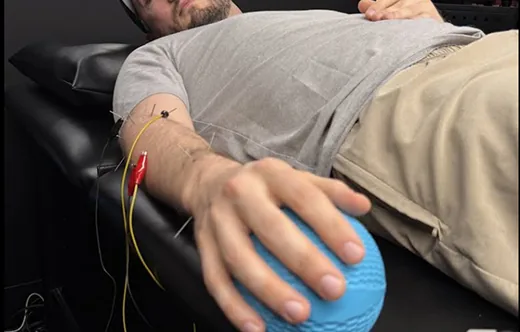
Dry needling with electrical stimulation adds a mild electrical current to needles that are already in place. The current causes a gentle, rhythmic pulsing in the muscle. It is designed to stimulate the larger nerve fibers that help block pain signals and to encourage blood flow in stubborn tissue. Your therapist can tell you whether this approach suits your condition during your evaluation.
Is Dry Needling Right for You?
Dry needling is safe and well tolerated for most adults, but it is not for everyone. We talk through your history first, and we take extra care with anyone who:
- Is pregnant
- Has a compromised immune system
- Takes blood thinners
- Has a strong fear of needles
- Recently had surgery
This treatment is also not recommended for children under 12. If needling isn’t the right fit, we have plenty of other tools to help you recover.
Dry Needling Compared With Other Treatments
Dry Needling vs. Acupuncture
The needles look similar, but the two approaches are very different. Acupuncture comes from traditional Chinese medicine and aims to balance the flow of energy through set points on the body. Dry needling is based on Western anatomy and modern research. It targets specific trigger points in muscles that your therapist finds during an exam, and it is one part of a complete physical therapy plan.
Dry Needling vs. Trigger Point Injections
Both treat trigger points, but trigger point injections use a hollow needle to deliver medication, such as a local anesthetic, and are given by a physician or other medical provider. Dry needling uses a solid needle with no medication. The release comes from the needle’s mechanical effect on the muscle. For many athletes, that makes it a drug-free way to treat trigger points, and it fits right into a physical therapy visit.
Who Can Do Dry Needling in New Jersey?
In New Jersey, licensed physical therapists can perform dry needling once they complete board-approved training. Under rules from the New Jersey State Board of Physical Therapy Examiners, this training totals 80 hours: at least 40 hours of in-person academic instruction and 40 hours of supervised, hands-on practice. So when you look for a physical therapist that does dry needling, ask about their training and how they combine needling with the rest of your care.
At Rehabletics, dry needling is performed only by physical therapists trained and credentialed in the technique.
How Dry Needling Fits Into Your Rehab Plan
Needling opens a window. Once a muscle relaxes and pain settles, you can move better, and that is the moment to build strength and fix the movement habits that caused the problem.
That’s why we combine dry needling physical therapy with:
- Manual therapy: hands-on joint and soft-tissue work to restore mobility
- Mobility and strength training: progressive exercises that make your relief last
- Advanced tools when needed: for stubborn tendon pain, we may add shockwave therapy to support tissue healing
Curious how it compares with other drug-free options? Our guide to natural joint pain treatments walks through what works.
Why Athletes Choose Rehabletics for Dry Needling
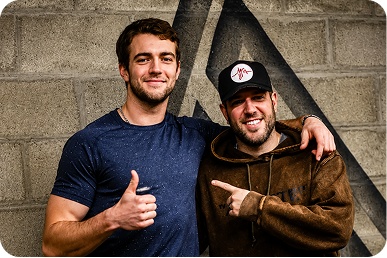
Your care is led by Dr. Jaime Mor, PT, DPT, ATC, founder of Rehabletics and a sports physical therapy contractor for the Philadelphia Flyers and Philadelphia Eagles. That pro-level experience shapes how we use trigger point dry needling: as a precise tool inside a plan built around your sport and your goals.
- Licensed, trained therapists: your safety and comfort always come first.
- A complete plan, not just a needle: we pair needling with manual therapy, mobility work, and strengthening.
- One-on-one attention: you work directly with your therapist, not a rotating cast of aides.
- Sterile, single-use needles every time: every needle is disposable, used once and then discarded in a medical sharps container.
- Flexible hours: early, evening and weekend appointments fit around school, work and your training schedule.
Dry Needling Treatments in Cherry Hill and South Jersey
Our clinic at 5 Esterbrook Lane in Cherry Hill Township is an easy drive for athletes and active adults across South Jersey, including Voorhees, Mount Laurel, Moorestown and Haddonfield. New Jersey allows direct access to physical therapy, so you can usually start care without waiting on a referral.
Clinic hours
- Monday to Friday: 7:00 AM to 7:00 PM
- Saturday: 8:00 AM to 12:00 PM
- Sunday: 9:00 AM to 12:30 PM
Dry Needling Cost and Insurance
Rehabletics is an out-of-network clinic. We are happy to talk through your rate and options on your free consultation call before you book. You can also learn how out-of-network physical therapy works and how to check your plan’s benefits.
Ready to Release the Knot and Get Back in the Game?
You don’t have to train around muscle pain. Let’s find what is holding you back and build a plan that gets you moving with confidence again.
Ask a Specialist!
🔒 Your info is safe. We never share it.
Frequently Asked Questions
Does dry needling hurt?
Most people feel very little when the needle goes in because it is much thinner than a needle used for shots. When it reaches a trigger point, you may feel a brief cramp or twitch. That is normal and passes quickly. Some soreness, similar to a hard workout, can last a day or two.
How Many Dry Needling Sessions Will I Need?
It varies. Some athletes feel relief after one session, while long-standing muscle pain usually needs several visits. The best results come when it is part of a broader physical therapy plan that includes manual therapy and strengthening.
Is Dry Needling the Same as Acupuncture?
No. The needles are similar, but the goals are different. Acupuncture is based on traditional Chinese medicine and energy flow, while this technique targets specific muscle trigger points using modern anatomy and research.
Is Dry Needling the Same as a Trigger Point Injection?
No. A trigger point injection delivers medication through a hollow needle. Dry needling uses a solid needle with nothing injected, so it releases the muscle without medication.
Are the Needles Safe and Sterile?
Yes. We use single-use, disposable, sterile needles. Each one is used once and then placed in a medical sharps container.
What Should I Do After a Dry Needling Session?
Drink plenty of water, keep moving and do the gentle stretches your therapist recommends. Heat or ice can ease any soreness. Most people return to normal activity the same day, and your therapist will tell you when to resume hard training.