


Female athletes tear their ACL at 2 to 8 times the rate of male athletes, but most of that risk can be trained down. A neuromuscular warm-up done 2 to 3 times a week can cut ACL injuries by about half. For South Jersey soccer and field hockey parents, that means protecting the anterior cruciate ligament starts in practice, not in the operating room. Here is why girls are more vulnerable, which exercises work, and when to get a movement screen from a team that provides sports physical therapy for ACL injuries.
Why Teen Girls Tear Their ACL More Often
How ACL Tears Happen in Female Athletes
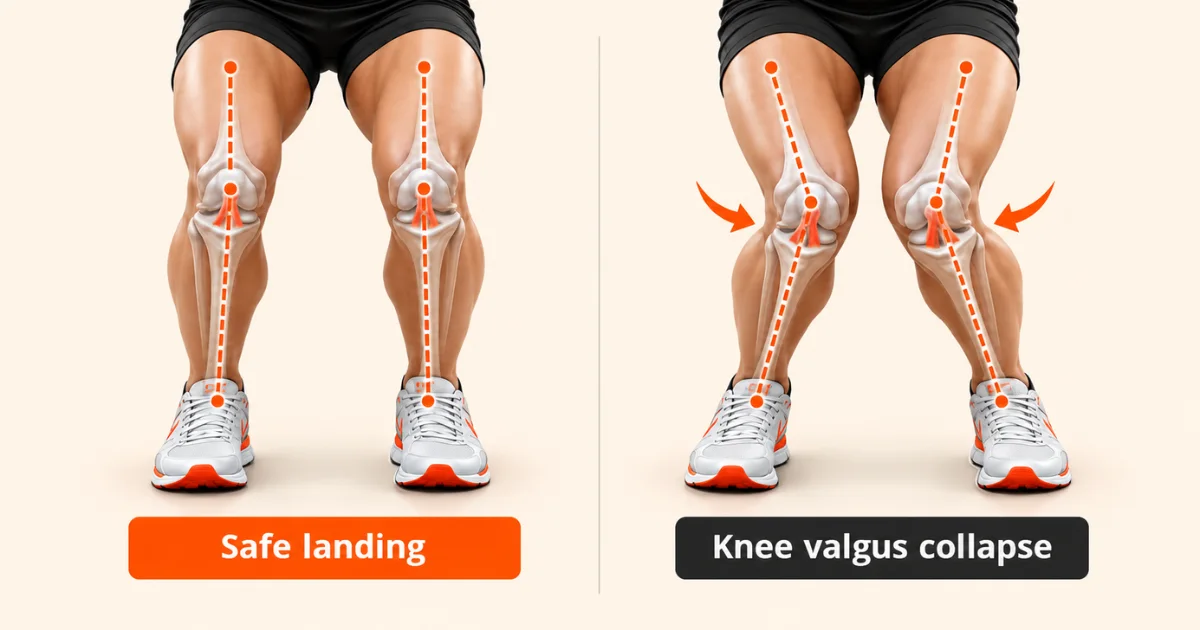
Most ACL injuries in female athletes happen without contact. A player lands from a jump, plants to cut, or stops suddenly, and the knee caves inward while the leg is nearly straight. That position puts the ligament under more load than it can handle. The trend is moving the wrong way: ACL injury rates in high school girls rose more than 32 percent from 2007 to 2022, more than twice the increase seen in boys.
The Risk Factors Behind the Gap
Some risk factors are built in, but the biggest ones are about movement, and movement can change.
|
Risk factor |
What it means |
Can training change it? |
| Knee valgus | Knees cave inward on landing or cutting | Yes |
| Quad dominance | Thighs overpower weaker hamstrings | Yes |
| Weak hips and glutes | Less control of thigh and knee position | Yes |
| Fatigue and one-sport play | Tired muscles and repeated stress on the same tissues | Yes |
| Anatomy | Wider pelvis, smaller ACL, narrower femoral notch | No |
| Hormones | Estrogen and relaxin can increase ligament laxity | No |
| Growth spurts | Bones grow faster than strength and coordination between ages 12 and 16 | Timing only |
Girls who play one sport year-round carry roughly 31 percent higher risk of serious injury than multisport athletes. The takeaway for parents is clear: you cannot change your daughter’s anatomy, but you can change how she lands, cuts, and stops.
What an ACL Prevention Program for Females Includes
What Neuromuscular Training Means
Neuromuscular training teaches the brain and muscles to control the knee at game speed. It blends strength work, jump training (plyometrics), balance drills, and agility. The key ingredient is coaching feedback, so an athlete learns to land softly with her knees over her toes instead of collapsing inward.
Proven Programs and How Often to Do Them
Two programs have the strongest track record for female athletes:
|
Program |
Built for | Time |
When to do it |
| FIFA 11+ | Soccer and field sports | About 20 minutes | Team warm-up, at least 2 times a week |
| PEP (Prevent Injury and Enhance Performance) | Female soccer players | About 20 minutes | Before practice, about 3 times a week |
In one study of NCAA Division I women’s soccer teams, players who did a prevention program had a noncontact ACL injury rate 3.3 times lower than players who skipped it. Research also shows that programs work best when they start early, include varied exercises, and give athletes feedback on technique. Consistency matters more than intensity, so a program done all season beats one done for two weeks. Baseline force plate testing can measure landing force and side-to-side differences before and after a program.
Exercises to Prevent ACL Injury in Female Athletes
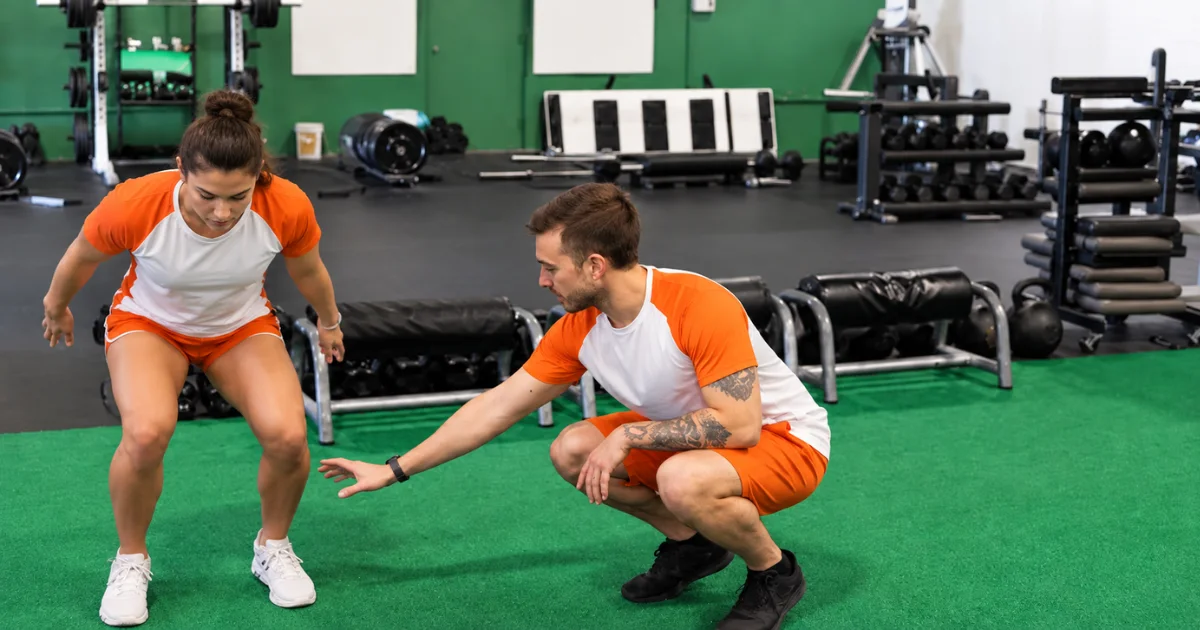
These seven exercises target the movement patterns linked to ACL tears. Aim for 2 to 3 sets of each, 2 to 3 times a week.
- Nordic hamstring curl. Kneel with your ankles held and lower your body slowly forward. Stronger hamstrings balance the quads and protect the ACL.
- Lateral band walk. Step sideways with a mini band above your knees. This builds the hip muscles that stop the knees from caving.
- Single-leg Romanian deadlift. Hinge forward on one leg with a flat back. It trains balance and the entire back chain.
- Drop jump with a soft landing. Step off a low box and land with bent knees, hips back, and quiet feet. Hold the landing for two seconds.
- Single-leg hop and stick. Hop forward and freeze on one leg without wobbling. This builds control for one-leg plays.
- Lateral shuffle into a cut. Shuffle, plant, and change direction with the knee over the foot. This brings good mechanics up to sport speed.
- Plank and side plank. A strong trunk keeps the body over the knee during cuts and landings.
The simple coaching cue is this: bend, do not lock; keep knees over toes; and land quietly. If your daughter is already recovering from a tear, these ACL rehab exercises after a tear are the right starting point instead.
ACL Injury Prevention for Female Soccer and Field Hockey Players
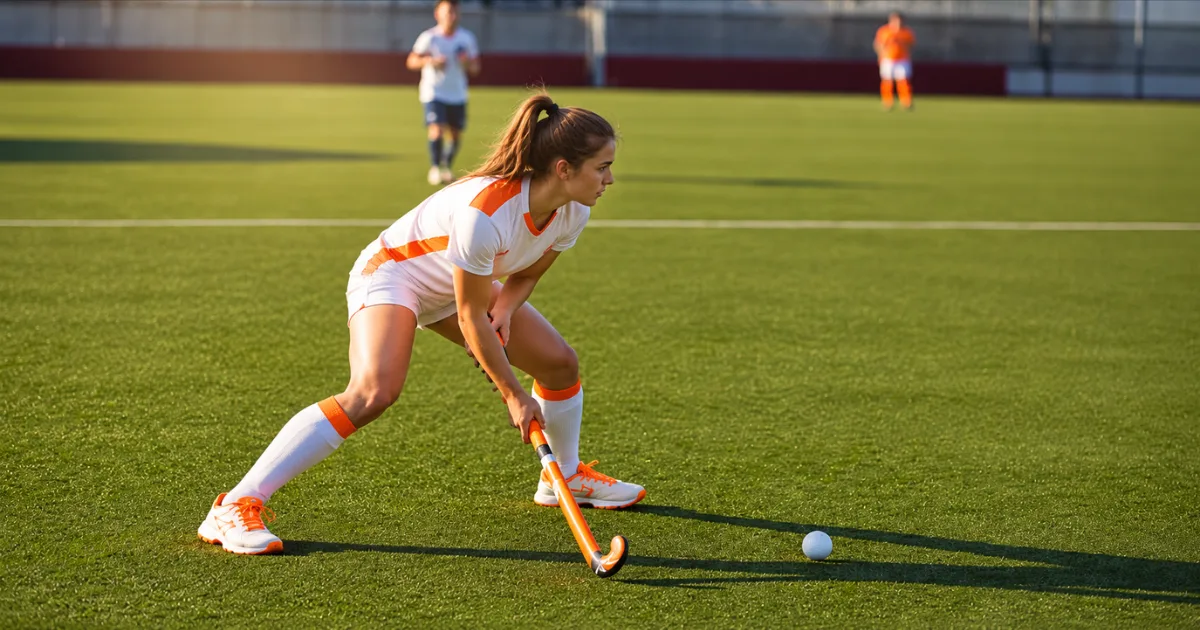
Soccer players face ACL risk when they cut past a defender, decelerate to receive a pass, or land from a header. FIFA 11+ fits easily into a team warm-up.
Field hockey adds its own demands. Players spend long stretches in a low, crouched position, turn quickly on turf, and lunge on one leg to reach the ball. That makes hip strength, trunk control, and single-leg stability especially important.
For both sports, begin a program 6 to 8 weeks before the fall season and keep it going in-season. Playing more than one sport across the year also spreads the load. If a knee problem does show up, local sports injury care for young athletes can address it early.
When to Get a Movement Screen
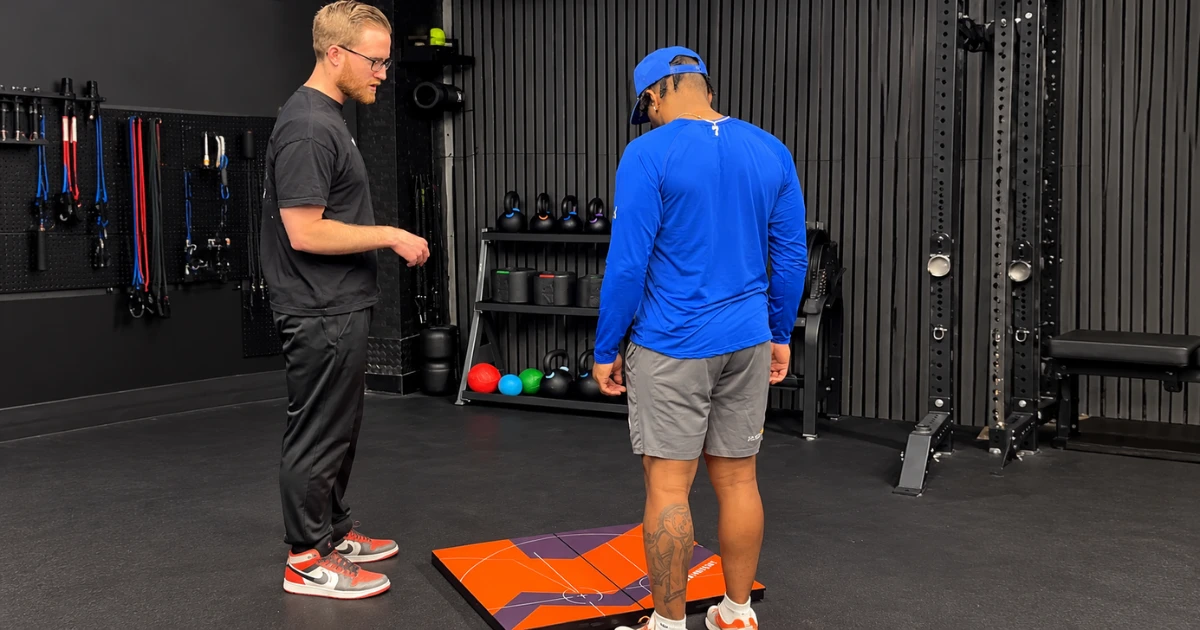
A movement screen makes sense if your daughter:
- Lets her knees cave inward when she jumps or squats
- Has one leg that is clearly weaker
- Has had a previous knee or ankle injury
- Is going through a fast growth spurt
- Plays one sport all year
A screen checks jump-landing mechanics, single-leg strength, and side-to-side differences. It flags risk; it cannot predict a tear. Learn what a Rehabletics evaluation covers before you book.
Protect Her Season Before It Starts
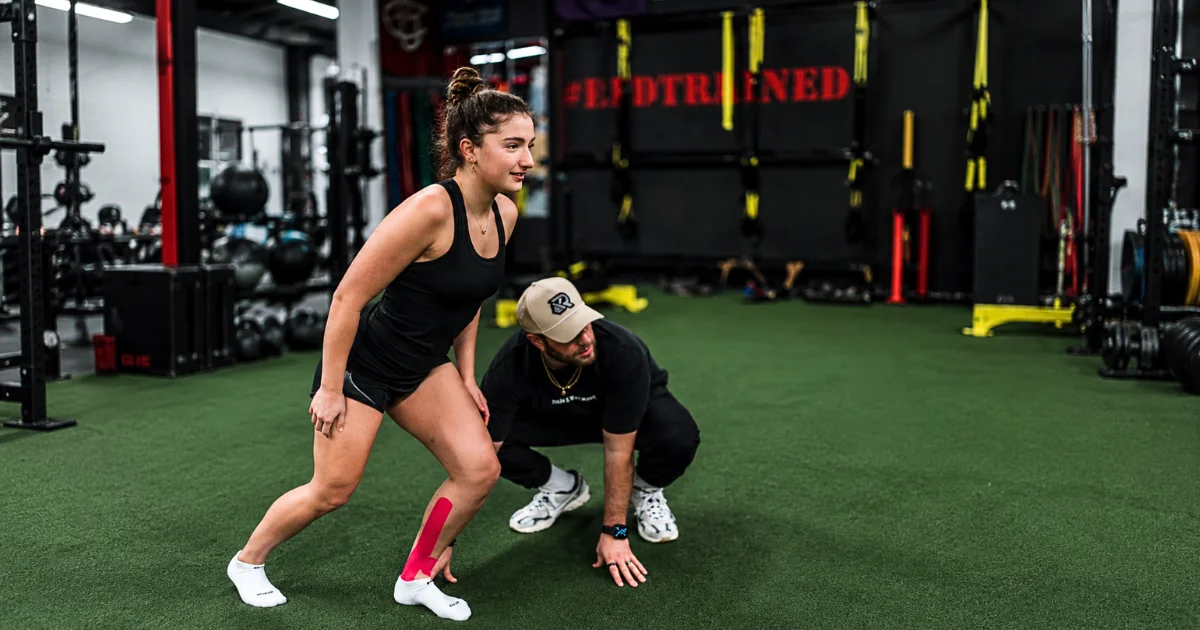
Preventing an ACL tear takes a few minutes a week. Recovering from one can take a full year. Dr. Jaime Mor and the Rehabletics team in Cherry Hill screen athletes, build prevention plans, and guide injured players through a complete ACL rehab and return-to-sport program. Ready to give your daughter a stronger, safer season? Book a movement screen today.