



You tweaked something two weeks ago. It has not gotten worse, but it has not gone away either, and you keep training around it. You should see a sports physical therapist when pain lasts longer than a week, gets worse, or changes how you move. You should also book after any real injury or surgery, and before a big season. Waiting rarely makes the problem smaller; it usually makes the comeback longer. Dr. Jaime Mor and the team at Rehabletics in Cherry Hill see this pattern every week, and early sports injury physical therapy is often the difference between a small fix and a lost season. Here is how to know when it is time.
The Short Answer: When Should You See a Sports Physical Therapist?
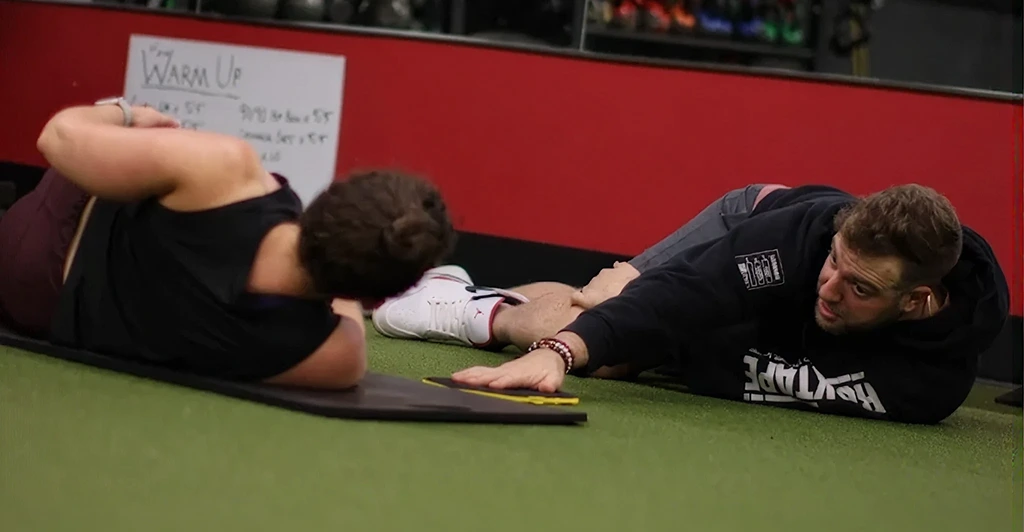
See a sports physical therapist if any of these are true:
- Pain has lasted more than 5 to 7 days despite rest, ice or medication.
- Pain is getting worse from one week to the next.
- You have changed how you run, lift, throw or walk to avoid pain.
- You had an acute injury, such as a sprain, strain or a hard fall.
- You are heading into a new season, race or training block.
The same rules apply if you are not an athlete. When daily tasks like stairs, sleep or carrying groceries start to hurt, that is a good time to see a physical therapist.
What a Sports Physical Therapist Does (and Is Physiotherapy the Same?)
A sports physical therapist treats the injury and then rebuilds you for the demands of your sport: sprinting, cutting, jumping, throwing or lifting. The goal is not only less pain but a safe return to full speed. You can read more about how sports physical therapy differs from general PT.
Physiotherapy and physical therapy are the same profession. “Physiotherapy” is common in the UK, Canada and Australia, while “physical therapy” is the usual term in the United States.
Soreness or Injury? How to Tell the Difference
Normal training soreness usually starts 8 to 24 hours after a session, peaks within 24 to 72 hours, and fades on its own. An injury behaves differently, and these sports PT symptoms are the ones worth noticing.
|
Normal soreness |
Signs of an injury |
|
| Where | Spread across the muscle you trained | One spot you can point to |
| When | Starts the next day and fades in 2 to 3 days | Starts during activity or lasts past a week |
| Feel | Dull, achy, stiff | Sharp, pinching, catching or unstable |
| With warm-up | Eases as you move | Stays the same or gets worse |
| Training | You still move normally | You change the movement to avoid it |
A simple rule helps: mild pain up to 3 out of 10 during activity is usually acceptable if it settles by the next morning and is not climbing week to week. If any part of that rule breaks, the load is ahead of what your body can handle right now.
8 Signs It Is Time to See a Sports Physical Therapist
These are the clearest signs you need physical therapy rather than more rest.
1. Pain Lasts More Than a Week Despite Rest
Rest, ice and anti-inflammatories should calm a minor strain within days. When pain is still there after a week, something is not healing on its own. Usually that is a tissue that needs the right kind of loading, not more time on the couch.
2. Pain Climbs or Comes Back When You Return
Feeling fine after rest and then flaring up on your first hard session is a classic loop. Rest calms symptoms but does not rebuild strength. If this sounds familiar, learn why sports injuries keep coming back and how to break the cycle.
3. You Are Changing How You Move
A shorter stride, a narrower grip, a shallower squat or a limp all count. These compensations protect the sore area but overload other joints, and they often cause the next injury.
4. Swelling, Instability or Catching
A joint that swells after activity, gives way or catches during movement needs a proper exam. These signs often point to ligament, cartilage or meniscus involvement rather than simple muscle soreness.
5. Stiffness or Lost Range of Motion
If you cannot fully straighten your knee, raise your arm overhead or rotate your trunk the way you used to, stiffness will limit performance. A physical therapist can find out whether the joint, the muscle, or the nerve is the limiting factor.
6. Repetitive Overuse Pain
Tendon pain, shin pain, and elbow pain that build slowly over weeks are overuse problems. They respond best to load management and targeted strengthening, which is the core of overuse injury treatment.
7. You Are Facing or Recovering From Surgery
Building strength before an operation can shorten recovery, and a structured plan afterward protects the repair. Guided post-surgical rehabilitation moves you through each phase at the right pace.
8. A New Season or Training Block Is Coming
You do not need to be hurt to benefit. A preseason screen finds weak links, side-to-side differences and mobility limits before higher training loads expose them.
When to See a Physical Therapist by Body Part
Knee Pain
See a physical therapist for knee pain that lasts more than a week, hurts on stairs or squats, swells after activity, or started with a pivot or awkward landing. Giving way or locking deserves a prompt exam. Expert knee pain treatment in Cherry Hill addresses the knee and the hip and ankle that load it.
Back Pain
Most back pain improves within a couple of weeks. Book a visit if it lasts past 1 to 2 weeks, keeps returning, or stops you from lifting, running, or sitting comfortably. Physical therapy for back pain focuses on movement, strength, and a gradual return to load. Check the red flags below first.
Shoulder Pain
Pain with overhead reaching or throwing, a night ache, weakness lifting the arm, or painful clicking all warrant a visit. Throwers and swimmers should not wait, because small shoulder problems build quickly with repetition. Targeted shoulder pain physical therapy restores strength and control.
Pelvic Floor Symptoms
Leaking urine when you jump, run or lift is common in athletes, but it is not something you have to accept. The same is true for pelvic, groin or tailbone pain. For these symptoms, see a pelvic floor physical therapist, who is a specialist trained in pelvic health.
Red Flag Symptoms: When to See a Doctor First
A red flag symptom is a sign that the problem may not be musculoskeletal or may need urgent medical care before physical therapy. See a physician, urgent care or the ER first if you have:
- An obvious deformity, or you cannot bear weight after an injury
- Numbness, tingling or weakness that is spreading or getting worse
- New loss of bladder or bowel control with back pain
- Fever, chills, night sweats or unexplained weight loss with pain
- Night pain that does not change with position
- A head injury with confusion, vomiting, vision changes or a worsening headache
- Chest pain or shortness of breath
A good physical therapist screens for these signs at every evaluation and refers you if something needs a doctor.
Orthopedic Doctor vs Physical Therapist: Who Should You See First?
For most sports injuries, a physical therapist is a good first stop. Start with an orthopedic or sports medicine doctor when a fracture, surgical tear or red flag is likely.
|
Start with a physical therapist |
Start with an orthopedic doctor |
| Sprains, strains and muscle pulls | Suspected fracture or deformity |
| Overuse pain such as tendon or shin pain | A locked joint you cannot move |
| Stiffness or recurring pain | Any red flag symptom |
| Pain that changes how you move | A likely full tear that may need surgery |
| Preseason screens | No progress after a few weeks of good rehab |
The two often work together. This guide to choosing a sports medicine doctor versus a physical therapist explains each role in more detail.
How Soon Should Physical Therapy Start After an Injury?
Earlier is usually better. Once red flags are ruled out, gentle movement and loading can often begin within the first few days, which limits stiffness and muscle loss. The same principle applies to a workplace injury: start physical therapy as soon as you are medically cleared, and follow your employer’s and your workers’ compensation insurer’s steps for approval. New Jersey allows you to start without a referral, and this guide to direct access physical therapy in New Jersey explains how it works.
How Often Should You See a Physical Therapist?
Most people attend 1 to 3 sessions per week at first, then taper as strength and confidence return. The home program between visits matters as much as the sessions themselves. Longer one-on-one sessions often mean fewer total visits, because more gets done each time.
Can a Physical Therapist Clear You for Sports?
Return-to-Sport Testing
Yes, a physical therapist can test whether you are ready to return to sport. Strong decisions rely on numbers, such as side-to-side strength, hop tests and force plate testing of jumping and landing. In some cases, final clearance must come from a physician, including concussions, many post-surgical protocols and some school or league rules.
Sports Physical vs Physical Therapy
A sports physical is a pre-participation medical exam done by a physician, physician assistant or nurse practitioner before a season. Physical therapy is treatment and rehab. One checks that you can play; the other helps you get back to playing.
What Sports PT Treatment Looks Like at Rehabletics in Cherry Hill
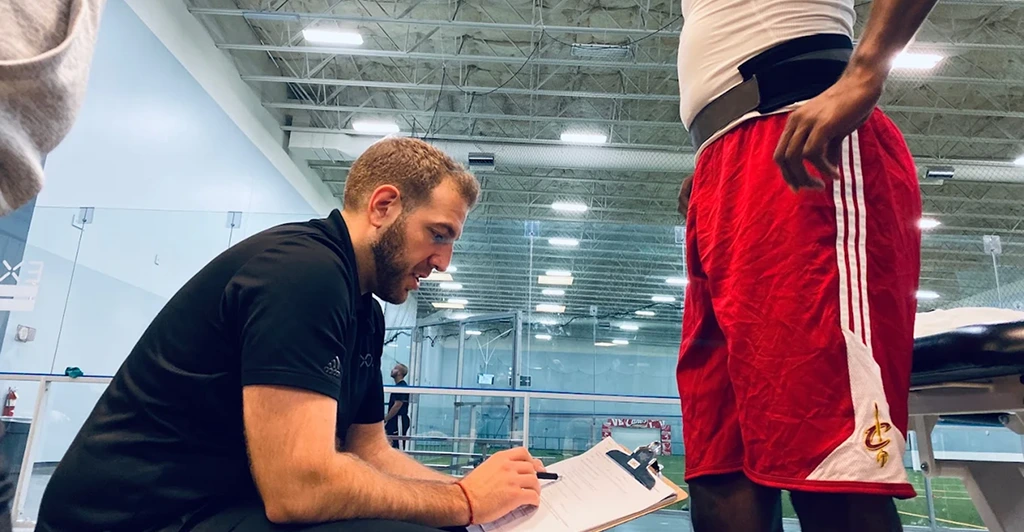
Every visit at Rehabletics is a 60-minute, one-on-one session with a Doctor of Physical Therapy. The first visit covers your history, a movement screen, strength testing and force plate testing when it fits. Hands-on care and exercise start the same day, and you leave with a home program. Sports PT treatment may include manual therapy, dry needling and progressive strength work, all built around your sport. The clinic is led by Dr. Jaime Mor, PT, DPT, ATC, who has treated athletes since 2013.
Get Answers Before the Injury Gets Bigger
If pain is lingering, climbing or changing how you move, it is time to get it checked. Rehabletics is at 5 Esterbrook Lane in Cherry Hill, with early, evening and weekend hours. Book a free Comeback Consult and start with a clear plan.



One Response
Goоd article. I absolutely love this site. Stick with it!