



Sports injury rehab is a structured recovery program, led by a physical therapist, that restores your strength, movement, and confidence after an injury so you can return to your sport. South Jersey athletes have plenty of options, from hospital programs to specialized clinics. The right choice depends on your injury, your sport, and how soon you want to be back. This guide explains what rehab involves, who specializes in it, and how to pick a clinic you can trust. If you are already dealing with pain, our page on sports injury physical therapy shows how we help athletes recover.
What Is Sports Injury Rehab?
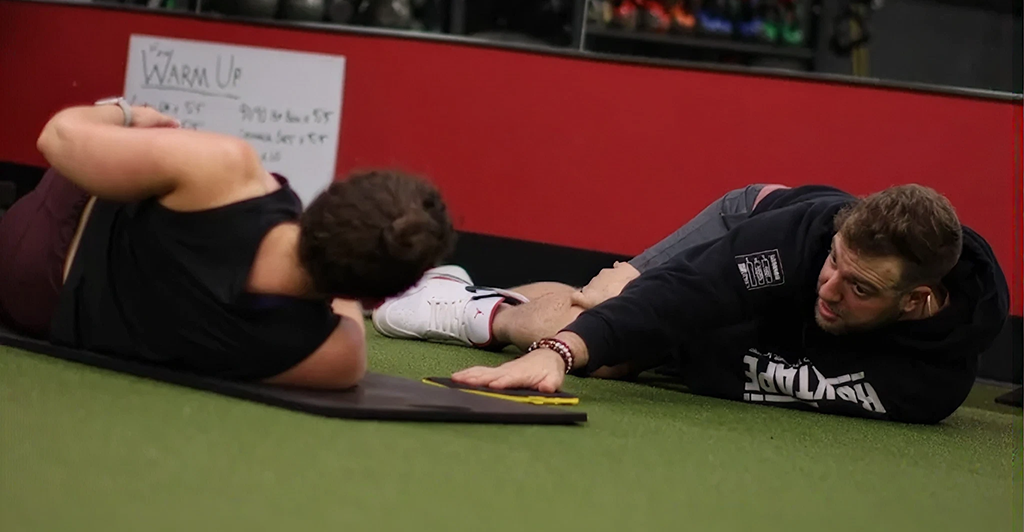
Sports injury rehabilitation is physical therapy designed around the demands of your sport. The goal is more than pain relief. It rebuilds the strength, power, mobility, and control you need to sprint, cut, jump, throw, or skate without holding back.
Sport rehab physical therapy differs from general physical therapy in three main ways. It works toward performance goals rather than daily-living goals, it adds sport-specific drills in the later stages, and it ends with objective testing before you return to play. You can learn more about how sports physical therapy differs from general PT in our detailed comparison.
Common Sports Injuries Treated in South Jersey
South Jersey athletes stay busy all year with football, soccer, and field hockey in the fall, hockey and basketball in the winter, and baseball, lacrosse, and running in the spring. Each season brings its own injury patterns. The most common include:
- ACL tears and other knee ligament injuries
- Hamstring strains and other muscle strains
- Ankle sprains
- Throwing shoulder pain and Tommy John (UCL) injuries
- Tendinopathy in the knee, Achilles, or elbow
- Running and overuse injuries
- Recovery after ACL or rotator cuff surgery
Knee ligament injuries need the most structured plan, so our ACL injury rehab program follows clear phases from the first visit to full return.
What Sports Injury Treatment Involves, Step by Step
Good sports injury treatment follows a clear progression. Each phase has a goal, and you move forward when your body is ready, not just when the calendar says so.
Step 1: A Full Evaluation and Root-Cause Testing
Rehab starts by finding out why the injury happened. A thorough evaluation looks at your injury history, movement patterns, strength, and sport demands. Clinics that use force plate testing can measure how much force each leg produces and spot imbalances that the eye can easily miss.
Step 2: Pain Relief and Tissue Recovery
Early sessions calm pain and restore motion. Common tools include manual therapy, dry needling, shockwave therapy, and recovery technology such as red light therapy. These methods support healing, and they work best alongside exercise.
Step 3: Progressive Strength and Sport-Specific Training
Strength is the foundation of a lasting recovery. Your therapist gradually adds load through single-leg work, eccentric exercises, and power drills. Blood flow restriction training lets you build strength with lighter weights while injured tissue heals. Later sessions add sprinting, cutting, jumping, or throwing drills that match your sport.
Step 4: Return-to-Sport Testing
Before full play, you should pass objective tests for strength, balance, and movement quality. This step lowers your risk of reinjury and gives you real confidence that you are ready.
Who Specializes in Sports Injury Recovery in South Jersey?
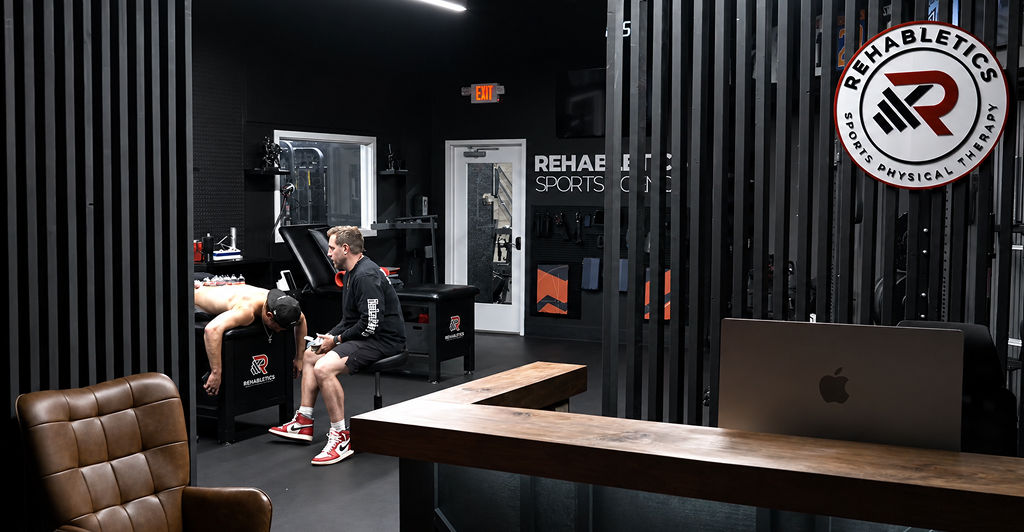
Sports physical therapists lead most sports injury recovery, often working alongside physicians and athletic trainers. Many of the most experienced clinicians hold both a Doctor of Physical Therapy (DPT) degree and Certified Athletic Trainer (ATC) credentials. Here is who offers sports injury recovery and when to see each one.
|
Provider |
What They Do |
When to See Them |
| Sports physical therapist (DPT) | Evaluates movement and leads your rehab plan | Most sprains, strains, overuse injuries, and post-surgical rehab |
| Certified athletic trainer (ATC) | Provides on-field care, injury prevention, and return-to-play support | Sideline injuries in school or club sports |
| Sports medicine physician | Diagnoses injuries, orders imaging, and manages medication | When you need imaging or a medical diagnosis |
| Orthopedic surgeon | Performs surgical repair | Complete tears, unstable fractures, or injuries that need surgery |
| Chiropractor | Focuses on joint and spinal manipulation | Some back and neck complaints |
| Urgent care or ER | Treats acute emergencies | Suspected fractures, dislocations, or head injuries |
In South Jersey, you will find sports injury care in hospital sports medicine programs, multi-location physical therapy practices, and specialized sports physical therapy clinics. Specialized clinics usually offer the most sport-specific attention.
How to Choose Reliable Sports Injury Rehab in South Jersey
Reliable sports injury rehab comes down to who treats you, how much time they spend with you, and how they measure progress. When you compare the best clinics for athlete recovery in South Jersey, ask these questions:
- Does the therapist hold sports credentials such as DPT, ATC, or SCS?
- Will you work one-on-one with a Doctor of Physical Therapy for the full session?
- Does the clinic use objective testing at the start and before return to play?
- Will you get a clear plan with milestones for your sport?
- Does the team regularly treat athletes at your level?
- Do athletes, parents, and surgeons recommend the clinic?
- Are the location and hours convenient, including weekends?
Quality sports injury care feels personal. You should leave each visit knowing what changed and what comes next. For a deeper checklist, read our guide to choosing trusted sports physical therapy.
Referrals, Insurance, and Out-of-Network Care in New Jersey
New Jersey allows direct access to physical therapy, so you can usually start treatment without a physician’s referral. Insurance-based clinics may limit visit counts or session length. Out-of-network clinics set their own session length and provide superbills you can submit for possible reimbursement, and many accept HSA and FSA cards. Our page on out-of-network sports physical therapy explains how the process works.
When Should You Start Rehab After a Sports Injury?
For most sprains, strains, and overuse injuries, starting rehab within the first few days leads to a smoother recovery. Early care controls swelling, protects the healing tissue, and keeps the rest of your body strong. See a physician first if you notice any of these red flags: a suspected fracture, a dislocated joint, concussion symptoms, numbness or tingling, or an inability to bear weight. After surgery, follow your surgeon’s guidance on when to begin. Starting prehab before surgery can also make the recovery easier.
Sports Injury Physical Therapy in Cherry Hill, NJ, at Rehabletics
If you are looking for a local place that provides personalized rehabilitation for athletes, Rehabletics Sports Physical Therapy in Cherry Hill was built for you. Our clinic is led by Dr. Jaime Mor, PT, DPT, ATC, a sports physical therapist and certified athletic trainer. Our team also serves as a Sports Physical Therapy Contractor for the Philadelphia Flyers and Philadelphia Eagles.
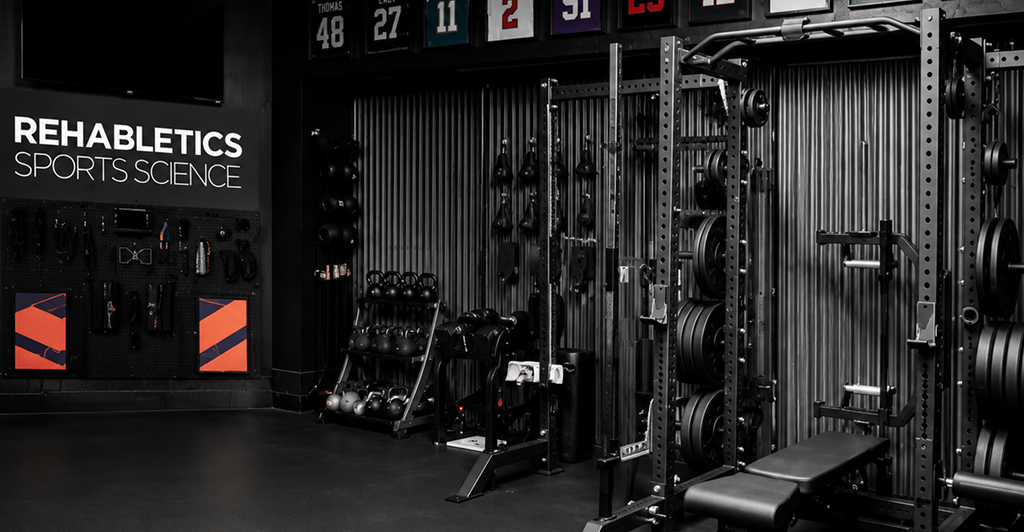
Every session is a 60-minute, one-on-one visit with a Doctor of Physical Therapy. Your plan starts with a sports science evaluation that uses force plates, strength testing, and movement analysis, so every exercise has a clear purpose.
We are located at 5 Esterbrook Lane in Cherry Hill, with weekday, Saturday, and Sunday hours. Athletes come to us for South Jersey rehab from Marlton, Moorestown, Mount Laurel, Haddonfield, and Voorhees, NJ, along with many other nearby towns.
Get Back to Your Sport With Rehabletics
You do not have to guess your way through recovery. Our team will build a plan around your injury, your sport, and your season. Book a free call with Rehabletics today to talk through your injury and your goals.



One Response
What do you think about the implications of this?