



Shockwave therapy has become a go-to treatment for people struggling with chronic pain, especially in tendons and soft tissues. This non-invasive method uses sound waves to stimulate healing, offering relief where traditional treatments fall short.
It’s catching attention for its ability to reduce pain and boost recovery, making it a popular choice for athletes and everyday individuals alike.
But does shockwave therapy really work, or is it just another trend? Many studies show that it can provide significant relief, especially for conditions like plantar fasciitis, Achilles tendinopathy, and tennis elbow.
In this guide, we’ll break down what you need to know about this treatment and how it can help you.
Is Shockwave Therapy Effective?
Shockwave therapy is gaining popularity for its effectiveness in treating chronic pain, particularly in tendons and soft tissues. This non-invasive treatment uses sound waves to accelerate healing, offering an alternative to injections and surgery.
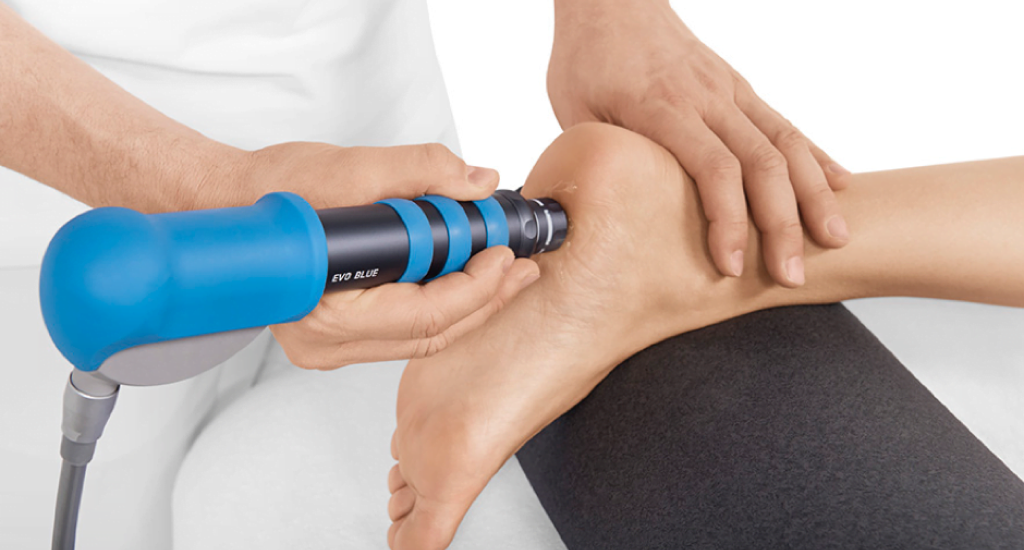
Many people turn to shockwave therapy to find relief from long-term pain when other treatments haven’t worked. But does it truly live up to the hype? Yes, it is.
What Is Shockwave Therapy?
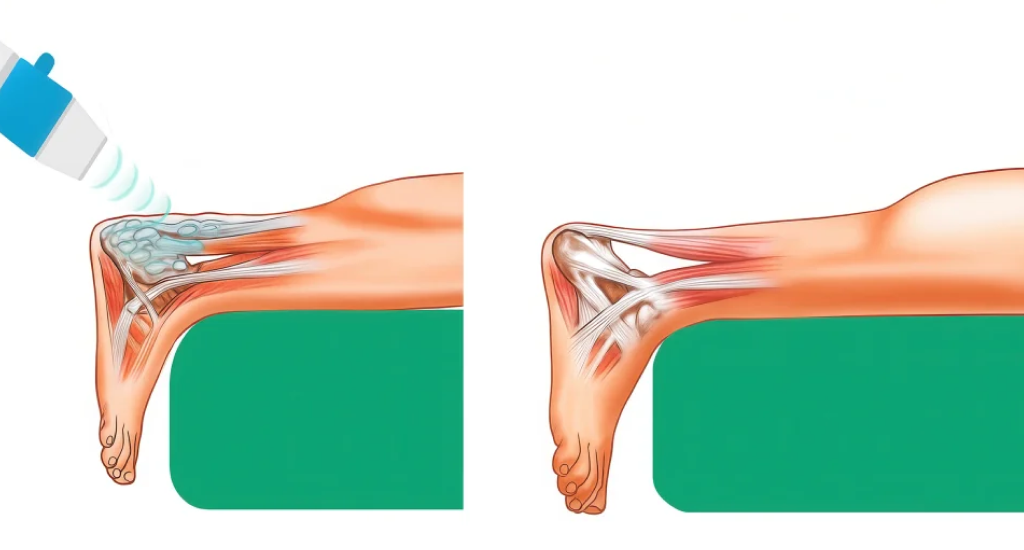
Extracorporeal Shockwave Therapy (ESWT) uses high-energy sound waves to stimulate healing within the body’s tissues. The shockwaves target injured areas, reducing pain and enhancing mobility.
Unlike invasive treatments like injections or surgeries, shockwave therapy is non-invasive, meaning it doesn’t require cuts or stitches. However, this treatment is a little bit complicated for his tools and process, so it’s always preferred to get treated by experts like Rehabletics Sports Physical Therapy.
How It Works:
- Stimulates Healing: The acoustic waves trigger the body’s natural healing response by encouraging circulation and tissue repair.
- Reduces Pain: Shockwaves help break down scar tissue and calcifications, leading to reduced pain in chronic injuries.
- Improves Mobility: By promoting healing, shockwave therapy helps restore the range of motion in affected areas.
- Non-invasive: The treatment does not involve needles or surgery, making it a less risky option for those avoiding invasive procedures.
- Quick Recovery: Most people can resume normal activities shortly after treatment, with little to no downtime.
What the Research Says About Shockwave Therapy
Clinical studies have shown that shockwave therapy can effectively reduce pain and improve function, particularly for musculoskeletal conditions. Multiple trials have demonstrated its benefits for conditions such as plantar fasciitis, calcific tendonitis, and Achilles tendinopathy.
Summary of Research:
- Studies consistently report that shockwave therapy significantly reduces pain and improves overall function, especially for chronic tendon injuries.
Evidence:
- A review of multiple studies found that shockwave therapy provided a 2-point improvement on a 5-point Likert scale in various tendinopathy conditions after treatment. This indicates a noticeable improvement in pain and function. (Journal of Musculoskeletal Research)
- Plantar fasciitis patients saw up to 84% improvement in pain and mobility, making it one of the most successful conditions treated with shockwave therapy. (American Physical Therapy Association (APTA))
Long-Term Results:
- Sustained Benefits: Some studies show that benefits continue for 6 months to 2 years after the treatment, especially for conditions like calcific tendonitis and Achilles tendinopathy.
Conditions Where Shockwave Therapy Appears Most Effective
If you’ve consulted with a trusted physical therapy team, such as Team Rehabletics, you likely know that shockwave therapy is most effective for certain chronic tendon and soft-tissue conditions. While it’s not a one-size-fits-all solution, it’s shown remarkable success for several specific injuries.
Plantar Fasciitis:
- 84% improvement in pain and function after shockwave therapy, with some studies showing lasting benefits for up to a year. This is one of the most common conditions successfully treated with shockwave therapy.
Calcific Tendonitis of the Shoulder:
- Shockwave therapy has been shown to improve function and reduce pain by up to 91% in people suffering from calcific tendonitis of the shoulder. This is a great alternative for those who want to avoid surgery.
Tennis Elbow:
- Patients with tennis elbow have seen up to 77% improvement in pain and mobility. However, some studies suggest that results may vary depending on the severity of the condition and the treatment protocol.
Achilles Tendinopathy:
- Shockwave therapy has helped 76% of patients with Achilles tendinopathy, providing pain relief and restoring function. Results are usually seen within a few weeks.
Patellar Tendinitis (Jumper’s Knee):
- 76% improvement in people with patellar tendinitis, a common issue for athletes and active individuals.
Myofascial Trigger Points:
- One of the most remarkable improvements with 95% of patients reported relief from muscle spasms and pain after shockwave therapy.
These numbers show strong potential, yet results depend on proper diagnosis and the full treatment plan.
How Fast Does Shockwave Therapy Work?
Many people who ask if shockwave therapy is effective also want to know how quickly results appear. Some patients feel relief after the first session, while others notice clear changes within 24 to 48 hours.
The full effect usually builds over time, not all at once. Most treatment plans run for about 3 to 6 weeks, depending on the condition, pain level, and how the body responds to each session.
What you can expect during the timeline:
- After the first session: Mild pain relief or reduced stiffness may appear in some cases.
- Within 24-48 hours: Many patients notice better movement and less discomfort in daily activities.
- After 2-3 sessions: Pain reduction becomes more consistent and easier to manage.
- After a full treatment plan: Strong improvement in function and long-term relief is often achieved.
Benefits and Limitations of Shockwave Therapy
Many people search is shockwave therapy effective because they want a clear view of both benefits and limits. This treatment offers strong advantages, yet results are not guaranteed for every condition or patient.
Main Benefits
Shockwave therapy is popular because it offers pain relief without surgery and supports natural healing. It fits well into modern care plans and helps many patients return to normal movement faster.
- Non-Invasive
This treatment does not require cuts or injections, so patients avoid surgical risks and can return to daily activities with very little interruption. - Quick Sessions
Each session usually takes only a short time, which makes it easy to fit into a busy schedule without long clinic visits. - Pain Reduction
Many patients feel less pain after treatment, as the therapy helps calm irritated tissues and improve movement in the affected area. - Prevents Surgery
For some long-term tendon problems, this treatment may reduce the need for surgery by improving healing and lowering pain naturally. - Fits Into Rehab
It works well with exercise programs and physical therapy, which helps improve results when both methods are used together in a structured plan.
Main Limitations
While many people ask how effective is shockwave therapy, it is important to understand that results can differ. This treatment does not work the same way for every person or condition.
- Mixed Results
Some studies show only moderate improvement, and a few cases report results similar to basic care or placebo treatment in certain conditions. - Not a Standalone Solution
This therapy works best when combined with exercises and proper care, rather than used alone without any supporting rehabilitation plan. - Variable Effectiveness
Results depend on correct diagnosis, treatment settings, and patient commitment, which means outcomes can vary even for similar conditions.
Safety and Side Effects of Shockwave Therapy
Safety is a key concern when people ask is shockwave therapy effective and worth trying. This treatment is widely used in clinics, and most patients complete sessions without serious issues or long recovery times.
Is Shockwave Therapy Safe?
Shockwave therapy is generally considered safe when performed by trained professionals in a proper clinical setting. It does not involve surgery, and the risks are low compared to many other treatment options for chronic pain.
- Clinically Approved Use
ESWT is used in many medical centers for tendon and soft tissue pain, with strong safety records reported across multiple clinical studies. - Low Risk Procedure
The treatment does not break the skin, which lowers the risk of infection and removes concerns linked with surgical recovery. - No Long Recovery Time
Most patients can return to normal daily tasks soon after each session, without the need for extended rest or downtime.
Common Side Effects
Side effects are usually mild and short-lived. Most people notice small changes around the treated area, which settle within a few hours or days after the session.
- Mild Soreness
Some patients feel light soreness after treatment, similar to muscle fatigue after exercise, and it usually fades within a short period. - Redness or Swelling
The treated area may appear slightly red or swollen, but this reaction is temporary and part of the body’s natural healing response. - Discomfort During Treatment
A small level of discomfort may occur during the session, though most patients tolerate it well without the need for strong pain relief.
When It May Not Be Ideal
Shockwave therapy is not suitable for every condition, and proper evaluation is important before starting treatment. Clinics like Rehabletics assess each case carefully to reduce risks and avoid unwanted side effects.
- Not for Every Patient
People with certain medical conditions or unclear diagnosis may not benefit, so professional assessment is important before treatment begins. - Different Causes of Pain
If pain comes from nerve issues or joint damage instead of tendon problems, other treatments may be more effective.
End Note
Shockwave therapy has shown strong results for chronic tendon and soft tissue pain, including plantar fasciitis, Achilles issues, tennis elbow, and shoulder problems. Many patients feel real relief and better movement after a full care plan.
Results still vary based on condition and proper treatment approach. It works best with guided rehab, not as a single solution. For expert care and safe treatment planning, contact Rehabletics NJ and get professional support.