


Stabbing heel pain on your first steps out of bed? The good news: most runners with mild plantar fasciitis can keep training with smart changes. If the pain is sharp, getting worse or making you limp, it is time to stop and get assessed. This guide gives you a simple test to decide, a plan to keep running, and the treatments that work. If you need hands-on help, our team offers plantar fasciitis treatment in Cherry Hill.
What Is Plantar Fasciitis and Why Do So Many Runners Get It?
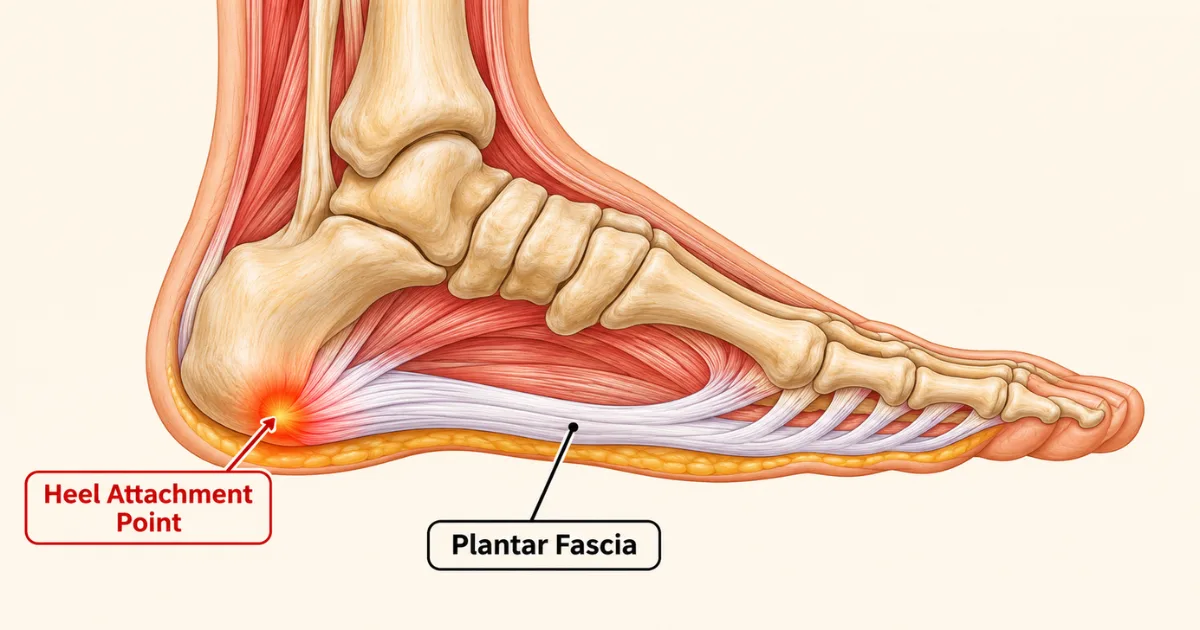
The plantar fascia is a thick band of tissue that runs from your heel to your toes and supports your arch. Plantar fasciitis develops when the load on that band outpaces its ability to recover. In long-standing cases, the tissue is usually worn down more than it is inflamed.
Running loads your foot with two to three times your body weight on every stride. Marathon mileage spikes, extra speed or hill work, tight calves and worn-out shoes all add strain.
It is also very common. In one five-year study of runners, 31.3 percent had at least one episode. Court and field athletes get it too, and even elite marathoners have trained through it and come back strong. For a wider look at staying healthy on the road, read our guide to preventing and treating running injuries.
Plantar Fasciitis Running Symptoms to Watch For
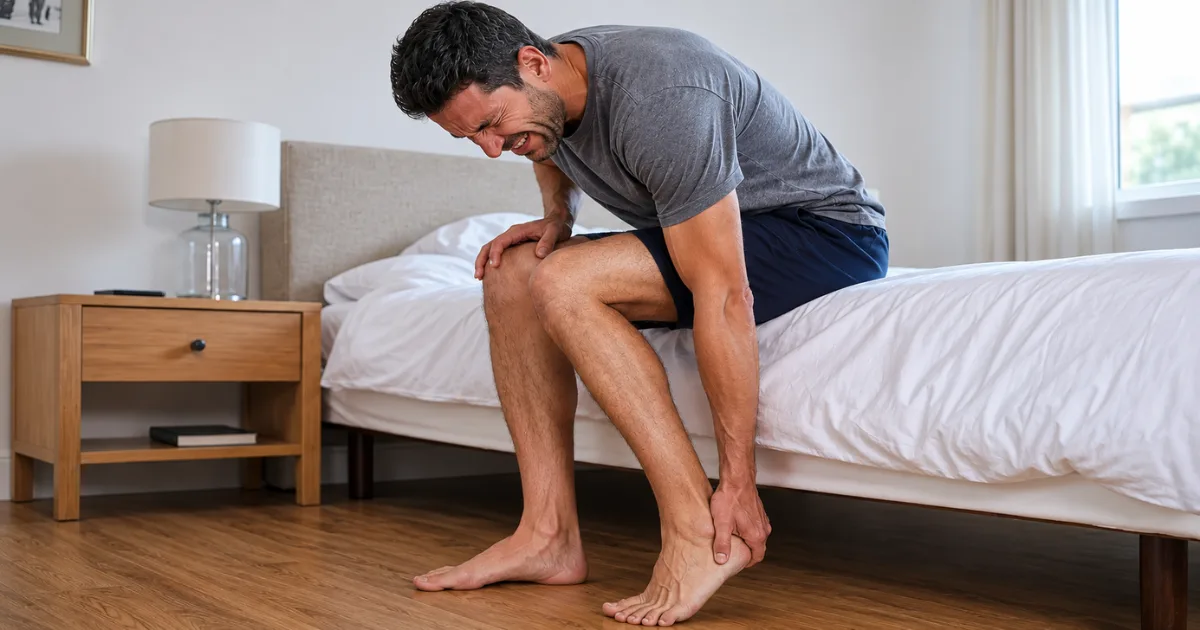
Plantar fasciitis has a pattern most runners recognize:
- Sharp heel pain with your first steps in the morning
- Pain after sitting for a while
- Pain that eases once you warm up, then returns after the run
- A feeling like a stone is stuck under your heel
- An ache along the arch and tight calves
Night pain, numbness, tingling or swelling points to something else, such as a stress fracture, tarsal tunnel syndrome or an Achilles problem. Get those checked before you run again.
Will Running With Plantar Fasciitis Make It Worse?
It depends on how your foot responds during the run and over the next 24 hours. Mild pain that settles quickly is usually safe; pain that lingers or builds means the fascia is not keeping up.
The 24-Hour Pain Test
|
Pain during the run |
The next morning |
What to do |
| 0 to 3 out of 10 | Back to normal | Keep running and keep strengthening |
| 4 to 5 out of 10 | Worse, but settles within a day | Cut your mileage and intensity |
| 6 out of 10 or higher | Worse for longer than a day | Stop running and get assessed |
Signs You Should Stop Running Now
- You are limping or changing your stride.
- The pain builds the longer you run.
- Your symptoms have gotten worse over several weeks.
- Your knee, hip or back starts hurting from compensating.
How to Keep Training While Your Heel Heals
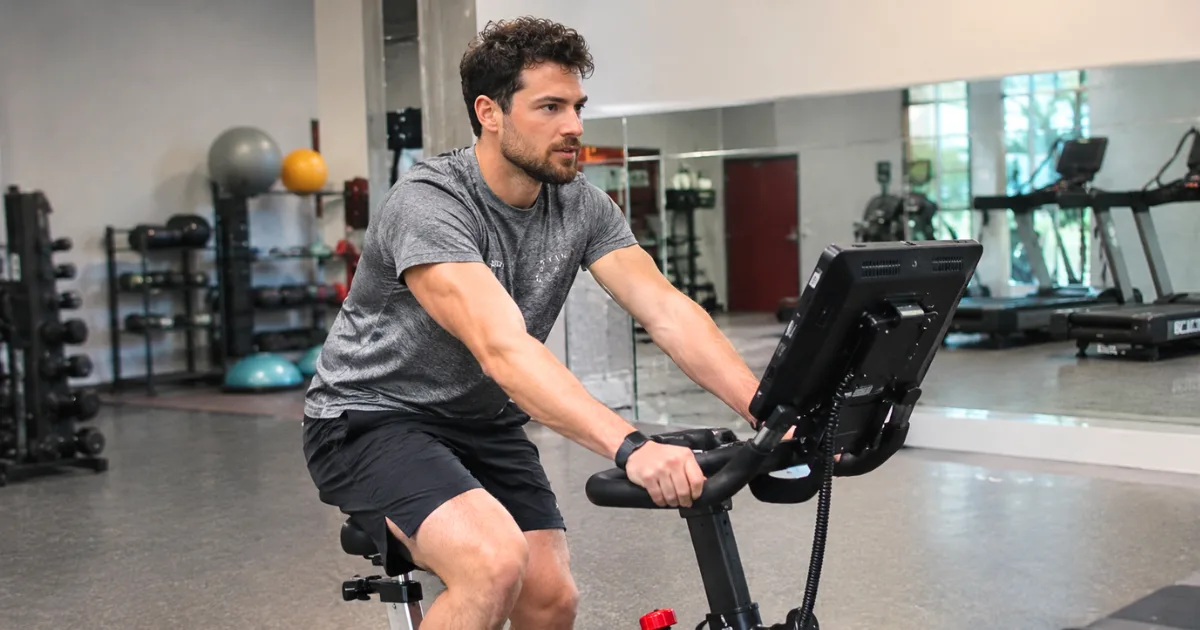
These changes hold your fitness without stalling recovery:
- Cut volume first. Reduce weekly mileage and drop speed work and hills.
- Pick even ground. Flat roads, tracks or a treadmill are easier on the fascia than uneven trails.
- Cross-train. Cycling, swimming and pool running keep your fitness while your foot settles.
- Check your shoes. Choose supportive, cushioned shoes with a moderate heel drop, and replace them every 300 to 500 miles.
In the middle of a marathon block, protect the long run and cut the extra miles. Build back up only once your morning pain is gone and walking feels normal.
Plantar Fasciitis Running Treatment Options
The same approach works for runners and athletes in other sports, and most people recover without surgery.
Physical Therapy and Strength Loading
A sports physical therapist looks at why your fascia is overloaded. That includes your training load, ankle mobility, calf strength and running mechanics. Treatment often combines hands-on manual therapy with a progressive calf and foot strengthening program, gait analysis and footwear guidance. Strength work is what keeps the pain from coming back.
Shockwave Therapy for Stubborn Heel Pain
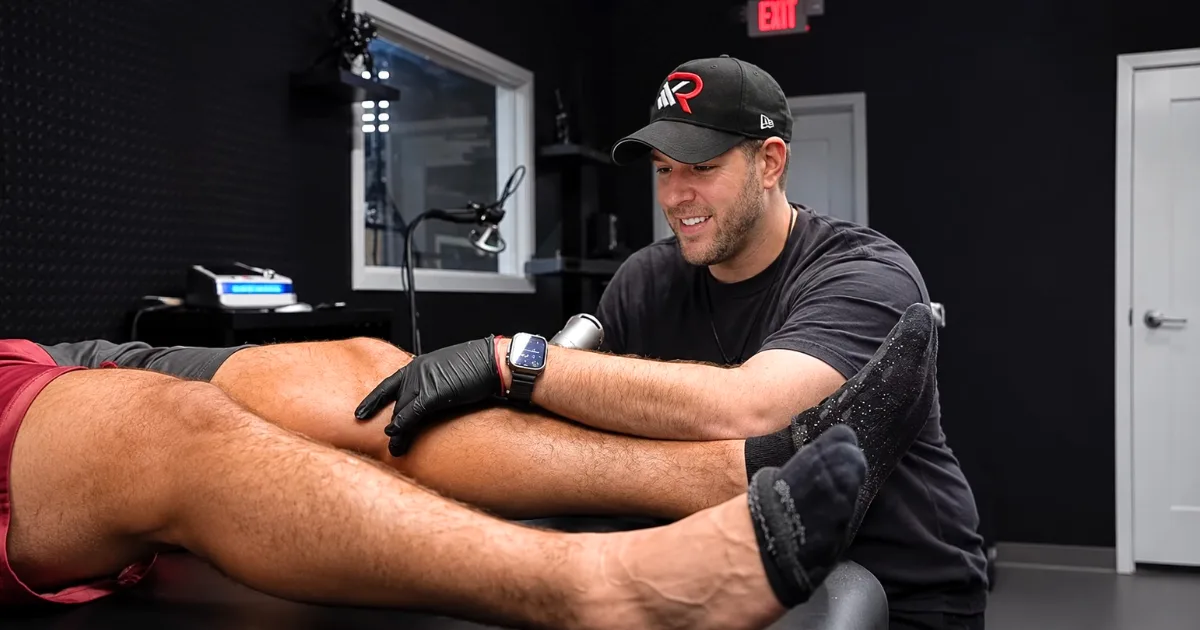
Shockwave therapy uses acoustic pressure waves to stimulate healing in stubborn tissue. Sessions take about 15 to 20 minutes, and most plans include three to five sessions about a week apart. In one study of runners with plantar fasciitis, 71 percent had good or excellent results that lasted two years. Learn more about shockwave therapy at Rehabletics.
Still weighing it up? Our article on how effective shockwave therapy really is covers what the research shows.
|
Option |
Best for |
What it involves |
| Home care | Mild, recent pain | Load changes, stretches, ice and better shoes |
| Sports physical therapy | Pain lasting two weeks or longer, or pain that keeps returning | Assessment, manual therapy, strength plan and gait work |
| Shockwave therapy | Stubborn pain lasting three months or longer | Three to five short sessions alongside PT |
Plantar Fasciitis Stretches and Exercises for Runners
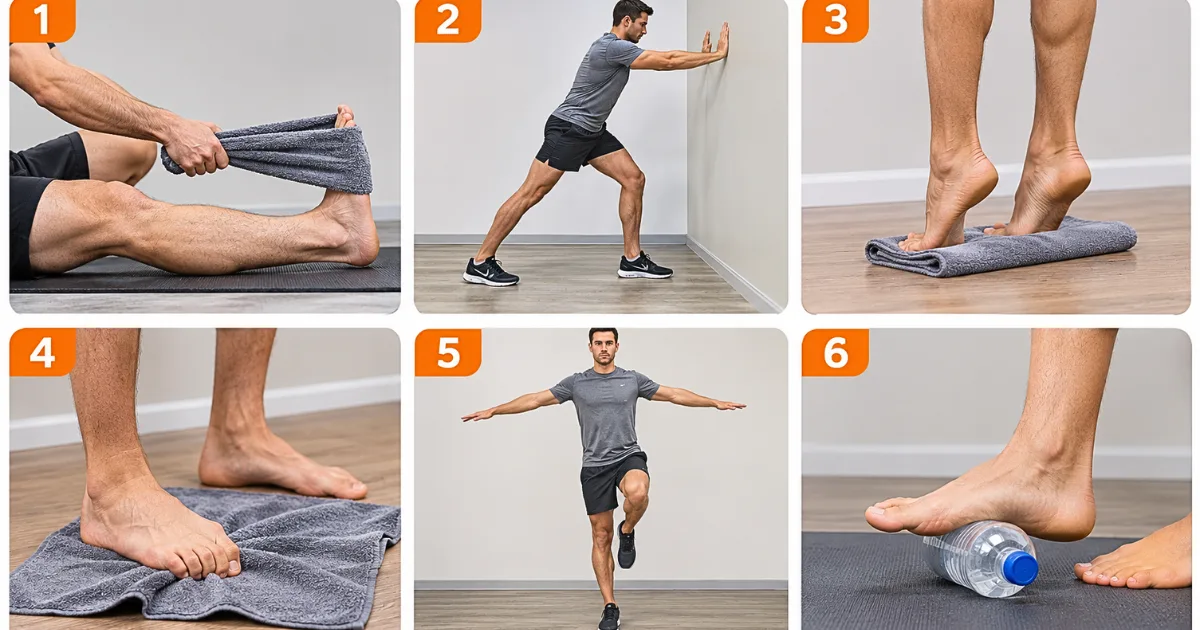
Do these daily, and stop any move that causes sharp pain:
- Plantar fascia stretch: Before your first steps, pull your toes toward your shin for 30 seconds.
- Wall calf stretch: Stretch with your knee straight, then bent, for 30 seconds each.
- High-load heel raise: Place a rolled towel under your toes and rise slowly for three seconds up and three seconds down.
- Towel scrunch: Grip a towel with your toes to strengthen the small foot muscles.
- Single-leg balance: Stand on one foot for 30 seconds to build ankle stability.
- Frozen bottle roll: Roll your arch gently after runs to ease soreness.
How to Prevent Plantar Fasciitis When Running
Treatment and prevention use the same tools:
- Increase weekly mileage by no more than about 10 percent.
- Take a lighter recovery week every three to four weeks.
- Rotate two pairs of running shoes.
- Keep calf and foot strength work going year-round.
- Warm up before every run.
Get Back to Running Pain-Free in Cherry Hill
At Rehabletics, Dr. Jaime Mor, PT, DPT, ATC, and our team offer one-on-one sports physical therapy for running injuries, with PT and shockwave under one roof at 5 Esterbrook Lane in Cherry Hill. Ready to run without heel pain? Book your free consultation today.