



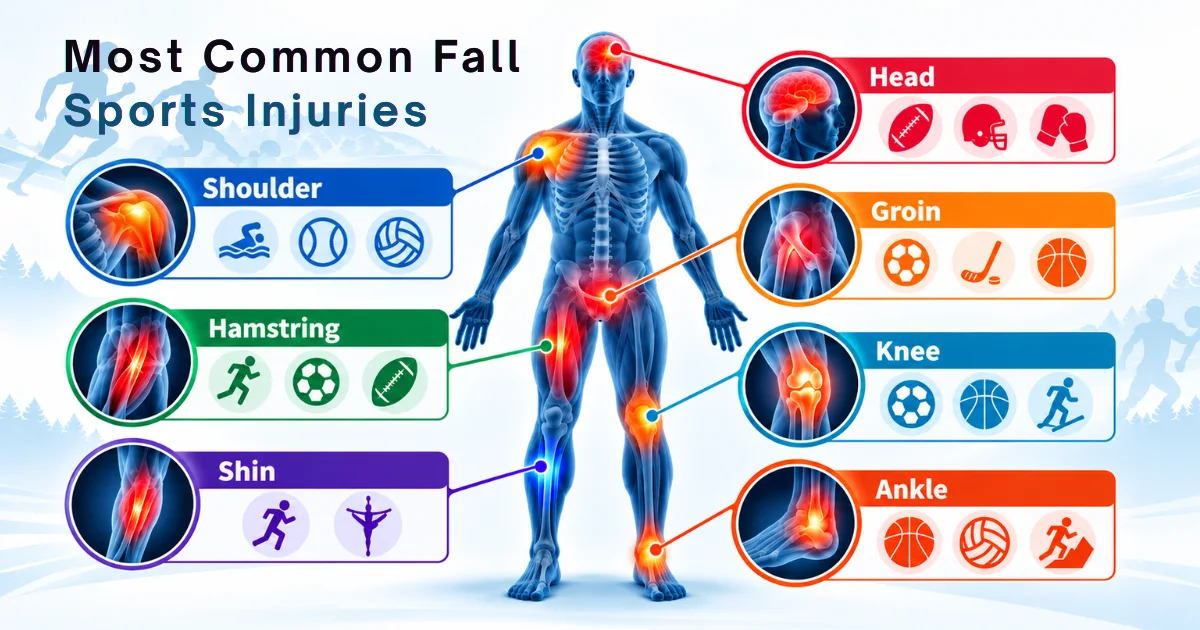
The most common fall sports injuries are ACL tears, MCL tears, ankle sprains, concussions, shin splints, hamstring and groin strains, and shoulder injuries. Most come from fast cuts, hard contact, and bodies that jump from summer break to full practice in days, often on turf and in late-summer heat. Knowing the warning signs helps you act early, and our sports injury treatment at Rehabletics is built to get you back on the field without losing the season.
What Are the Most Common Fall Sports Injuries?
|
Injury |
Sports most affected |
Telltale sign |
| ACL tear | Soccer, football, field hockey, volleyball | A pop, fast swelling, knee giving way |
| MCL tear | Football, soccer | Pain on the inner knee after a hit |
| Ankle sprain | Every fall sport | Swelling and pain after rolling the foot |
| Concussion | Football, soccer, cheer, field hockey | Headache, dizziness, fogginess |
| Shin splints | Cross country, early conditioning | Dull ache along the inner shin |
| Hamstring or groin strain | Soccer, football, field hockey | Sudden grab while sprinting or kicking |
| Shoulder strain or separation | Football, volleyball, tennis, cheer | Pain lifting the arm or after a fall |
The 7 Most Common Fall Sports Injuries Explained
1. ACL Tears
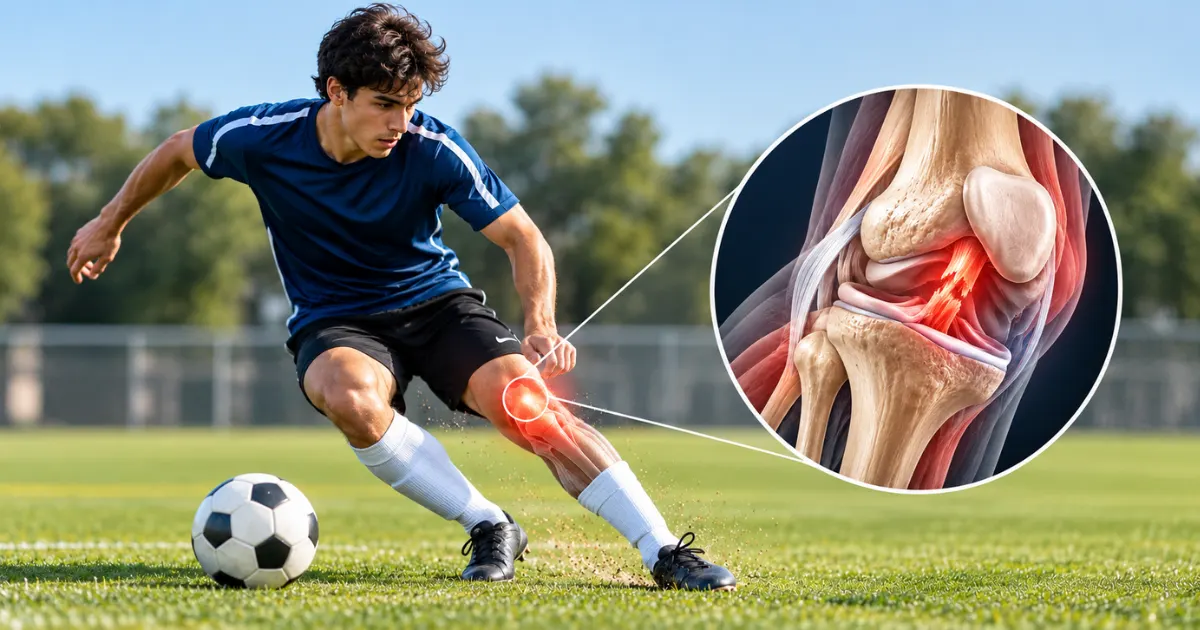
An ACL tear usually happens without contact, when an athlete plants, cuts, or lands awkwardly and the knee collapses inward. Most players feel a pop, then see swelling within hours, and the knee may “give out” on the next step. Female athletes tear the ACL at higher rates than male athletes in the same sports, which makes landing and cutting mechanics a priority in soccer, field hockey, and volleyball. If you suspect a tear, stop playing and get evaluated. You can learn how we treat ACL injuries and what rehab involves.
2. MCL Tears
The MCL runs along the inside of the knee and usually tears when a hit drives the knee inward, which is common in football. Expect pain and tenderness on the inner knee. Most MCL sprains heal without surgery when rehab rebuilds strength and stability. Swelling that shows up a day later, or a knee that catches or locks, can point to a meniscus tear instead, so get it checked.
3. Ankle Sprains
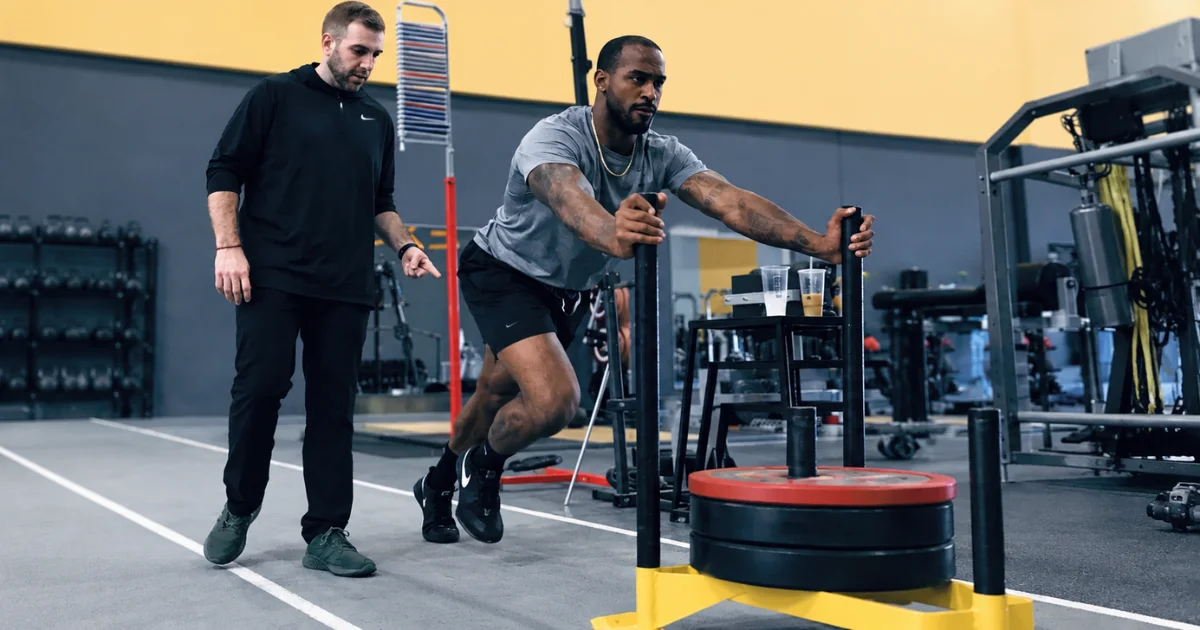
Ankle sprains are the most common injury across fall sports. They happen when you land on another player’s foot, step in a divot, or roll the ankle while cutting, causing swelling and pain on the outside of the ankle. If you cannot put weight on it, rule out a fracture before you try to walk it off. Balance and strength training matter most here, because one sprain makes the next one more likely. Our ankle pain and sprain care focuses on stopping that cycle.
4. Concussions
A concussion is a brain injury caused by a blow to the head or a hard jolt to the body from tackles, headers, falls, or collisions. Symptoms include headache, dizziness, nausea, light sensitivity, and feeling foggy, and they may not appear right away. Any athlete with a suspected concussion should leave the game immediately and should not return the same day. Return to play should follow a stepwise plan guided by a medical professional.
5. Shin Splints
Shin splints cause a dull, aching pain along the inner edge of the shinbone. They are common in cross-country runners and athletes who ramp up conditioning too fast, especially in worn-out shoes. If the pain becomes sharp and pinpoint, hurts at night, or makes you limp, it could be a stress fracture and needs an evaluation.
6. Hamstring and Groin Strains
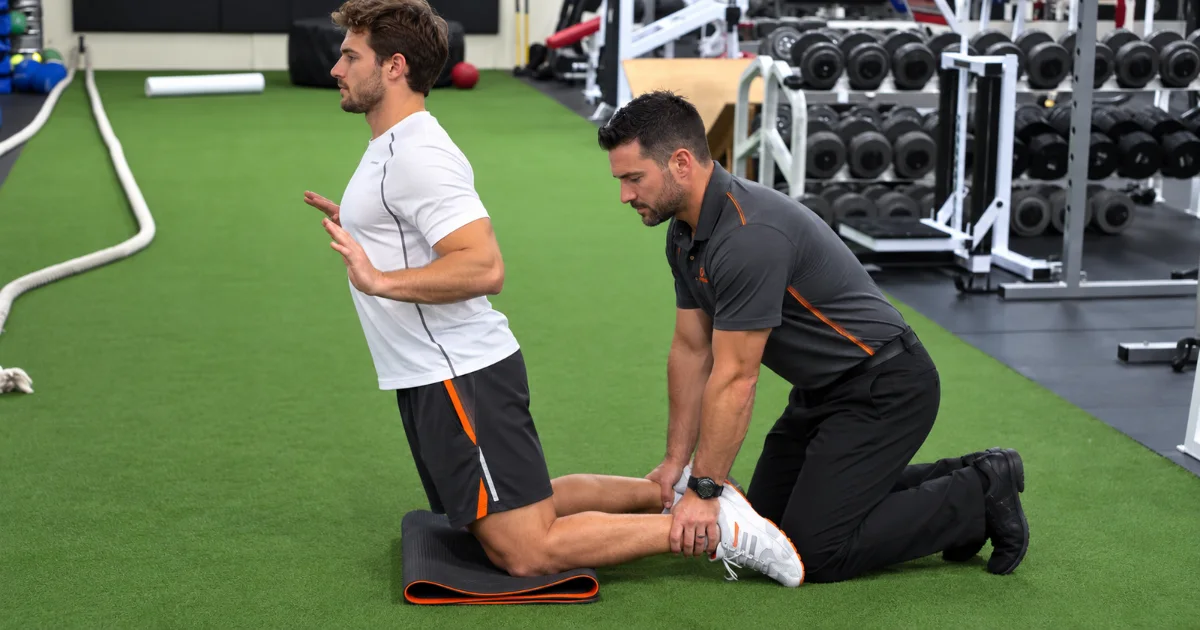
These strains happen during sprinting, kicking, and fast lateral moves in soccer, football, and field hockey. A hamstring strain feels like a sudden grab at the back of the thigh, while a groin strain hits the inner thigh. Both have a high re-injury rate when athletes rush back. Structured hamstring injury rehab rebuilds strength so the muscle can handle full speed again.
7. Shoulder Strains and Separations
Football tackles and falls onto the shoulder can separate the shoulder by spraining the AC joint, or they can break the collarbone. Volleyball and tennis players strain the rotator cuff with repeated overhead swings, and cheer stunts load the shoulder in both ways. Watch for pain lifting the arm, weakness, or a bump at the top of the shoulder. Get treatment for shoulder pain before a small strain turns into a season-long problem.
Which Fall Sports Carry the Highest Injury Risk?
Football leads high school sports in total injuries and concussions, while girls’ soccer ranks among the highest for both ACL tears and concussions.
|
Sport |
Most common injuries |
Main risk factor |
| Football | Concussion, MCL tear, shoulder separation | Full contact |
| Soccer | ACL tear, ankle sprain, hamstring strain | Cutting and sprinting |
| Field hockey | Ankle sprain, groin strain, ACL tear | Crouched, fast direction changes |
| Cross country | Shin splints, stress fractures | Rising mileage |
| Volleyball | Ankle sprain, shoulder strain | Jumping and overhead swings |
| Cheerleading | Concussion, ankle sprain, wrist injuries | Stunts and falls |
| Tennis | Shoulder and elbow strains | Repetitive overhead motion |
How to Avoid Sports Injuries This Fall
- Get a preseason movement screen: It spots weak links before they cause injuries.
- Ramp up gradually: Build mileage and intensity over several weeks.
- Warm up dynamically: Use leg swings, skips, lunges, and short sprints.
- Train strength and landing control: Nordic curls, single-leg squats, and landing drills protect knees and hamstrings.
- Wear the right gear: Match cleats to the surface and replace worn running shoes.
- Prioritize sleep and recovery days: Tired muscles react more slowly and get hurt more.
- Hydrate and respect the heat: Drink before, during, and after hot early-season practices.
- Report pain early: A minor ache treated in week two rarely becomes a major injury in week eight.
If you keep getting hurt despite all of this, read about why sports injuries keep coming back and what actually breaks the cycle.
Should You Play Through It or Get It Checked?
- Stop and get checked now: you cannot bear weight, you felt a pop with swelling, your knee gives way, you have any concussion symptoms, or you have sharp, pinpoint bone pain.
- Get checked this week: pain changes how you run, jump, or throw, or it lasts more than a few days.
- Monitor it: general soreness that eases with a warm-up and fades within a day or two.
Still unsure? These signs it is time to see a sports physical therapist can help you decide.
Get Back in the Game With Rehabletics in Cherry Hill
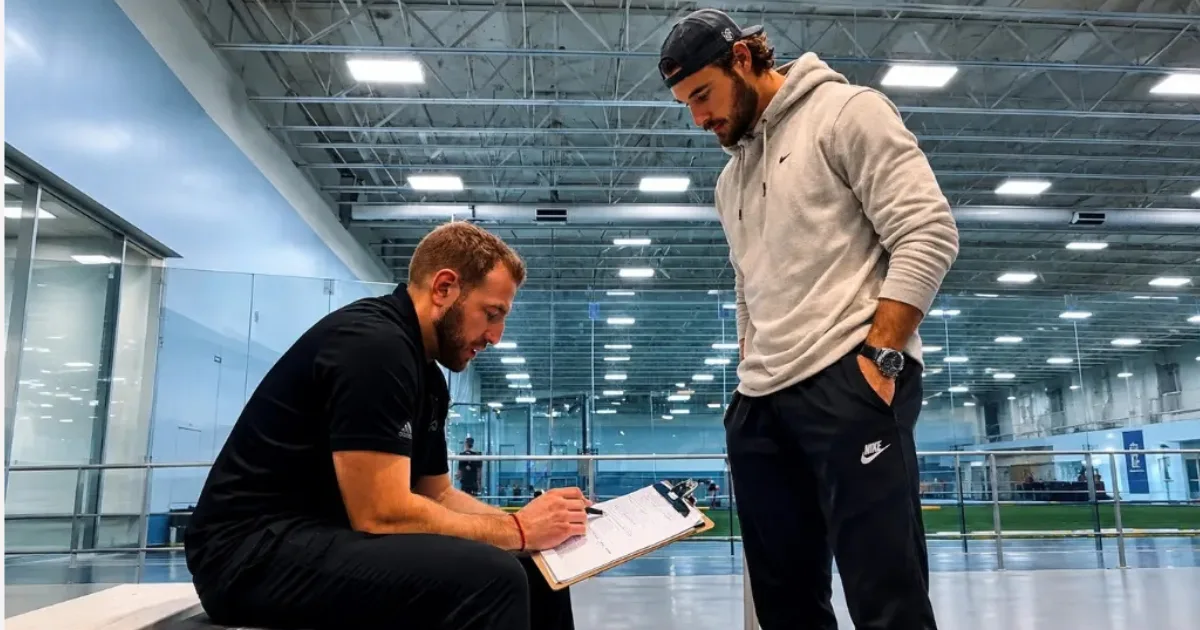
At Rehabletics, Dr. Jaime Mor, PT, DPT, ATC, and our team work one-on-one with athletes from across South Jersey. Every plan starts with a full movement screen and force plate testing, so your rehab fits your sport and your goals. Ready to get back on the field? Book your injury evaluation today.