



Twist an ankle on the soccer field, tweak a shoulder in the gym, or feel your knee give out mid-run, and the same question comes up fast: where do you go for help? South Jersey has no shortage of sports injury rehab options, but not every clinic fits every injury or every budget. This guide covers what sports injury rehab involves, who provides it across South Jersey, and how to choose a clinic that gets you back to your sport instead of just managing your pain.
What Is Sports Injury Rehab?
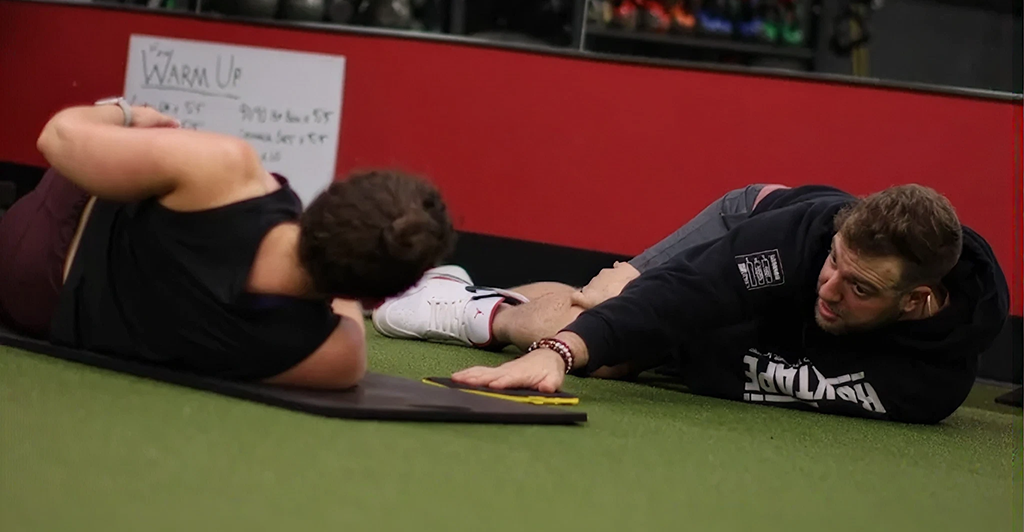
Sports injury rehab is a structured recovery process aimed at restoring strength, mobility, and confidence after an athletic injury, not just calming down pain. It typically addresses sprains, strains, tendon irritation, and overuse conditions affecting the knee, ankle, hip, shoulder, elbow, or back, along with more complex issues like concussions.
Unlike a generic “rest and stretch” approach, real sports rehab connects your symptoms to the movements your sport or daily life demands: running, mechanics, cutting, jumping, lifting, throwing. The goals are consistent across good programs: reduce pain, rebuild function, and lower your risk of getting hurt again.
Who Offers Sports Injury Recovery in South Jersey?
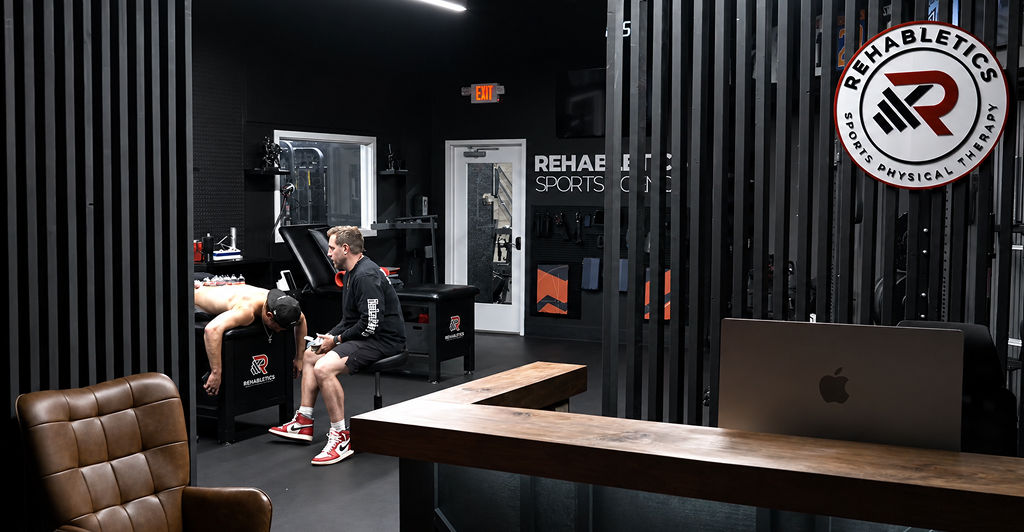
If you’re wondering who offers sports injury recovery in South Jersey, one standout option is Rehabletics Sports Physical Therapy in Cherry Hill. It’s a cash-pay, athlete-focused clinic offering one-on-one sessions with Doctors of Physical Therapy, several of whom also hold Athletic Trainer Certification (ATC). The practice treats common sports injuries, ACL tears, shoulder and knee pain, hamstring strains, and more with hands-on manual therapy alongside sport-specific return-to-play testing, and serves athletes throughout Cherry Hill, Voorhees, Marlton, Moorestown, Mount Laurel, and surrounding South Jersey towns.
Beyond individual practices like this, providers in the region generally fall into four broader categories, each with a different care model.
Hospital-affiliated networks provide broad coverage and integrated care. These systems often operate multiple rehabilitation locations across the region, pairing physical and occupational therapists with orthopedic surgeons for cases that may eventually need surgical intervention.
Private sports physical therapy practices tend to specialize specifically in athletic populations. Many operate across several South Jersey towns; Cherry Hill, Marlton, Glassboro, Sewell, and Haddonfield are common hubs and focus heavily on return-to-sport programming rather than general rehab.
Chiropractic and physical therapy combination clinics blend manual, movement-based techniques (like the McKenzie Method) with traditional PT, often serving areas like Egg Harbor Township and Washington Township.
Multi-disciplinary orthopedic and sports medicine centers bring physical therapists, sports medicine physicians, and sometimes interventional pain specialists together under one roof, which can streamline care for more complicated injuries that need more than exercise alone.
Sports Physical Therapy: What to Expect at Your First Visit
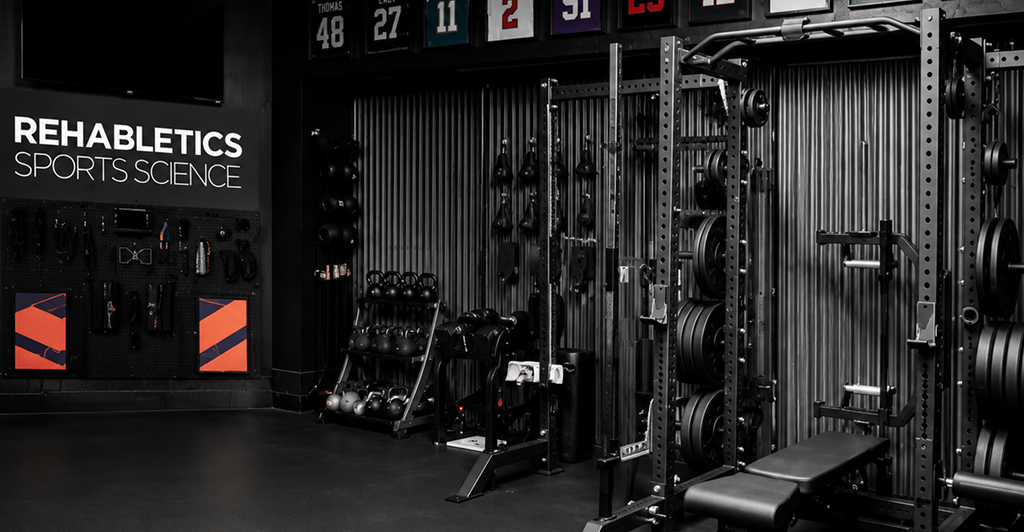
Sports physical therapy in South Jersey typically starts with a movement-based evaluation, not just a conversation about where it hurts.
Do you need a referral? In New Jersey, you don’t. Physical therapists have direct-access privileges, meaning you can schedule an evaluation without a physician’s prescription first. That said, some insurance plans still require a referral for reimbursement purposes, so it’s worth a quick call to your carrier before booking.
The initial evaluation compares your injured side to your uninjured side for strength, balance, range of motion, and confidence during sport-specific tasks. A good therapist also digs into what’s driving your symptoms: fatigue, training load, surface, footwear, or repeated practice patterns, rather than just treating the sore spot.
From there, your therapist builds a personalized plan. That might include manual therapy, targeted strength work, gait or running-mechanics correction, and a graded return-to-sport progression that ramps up sprinting, jumping, cutting, or lifting only when your body is actually ready for it.
Key Credentials and Qualities to Look For
Not every physical therapist has the same training in athletic care, so credentials matter more than they might seem.
DPT, SCS, and ATC are worth knowing. A Doctor of Physical Therapy (DPT) is the standard clinical degree, while a Sports Certified Specialist (SCS) designation signals advanced training in sports injury management. Athletic Trainer Certification (ATC) is especially valuable for concussion care and return-to-play decisions.
Specialized certifications to ask about include McKenzie Method (MDT) training for spinal and extremity issues, concussion management programs, and Functional Movement Screen (FMS) assessments that identify underlying asymmetries before they cause a repeat injury.
One-on-one versus group treatment is a practical difference that affects your actual experience. Some clinics dedicate full sessions to a single patient; others run a more group-based model where you might get just a few minutes of direct therapist attention per visit. Neither is inherently wrong, but it’s worth knowing which model you’re signing up for.
How to Choose the Right Sports Injury Rehab Clinic in South Jersey
With so many options across South Jersey, a few practical factors can narrow the field quickly.
Location and scheduling matter more than people expect. Recovery involves multiple visits a week for weeks or months, so convenient parking, flexible hours, or multiple South Jersey locations reduce the chance you’ll skip sessions.
Insurance versus cash-pay is a real decision point. Some practices bill insurance directly; others operate as cash-based clinics that may offer more individualized time per visit. If a clinic is out-of-network, ask about self-submission for reimbursement and what receipts or codes they’ll provide.
Reviews and patient volume are worth checking before you commit. Look at Google and Yelp reviews for comments on communication and administrative friction; insurance approval delays and front-desk experience come up often in real patient feedback. Unusually high patient volume can also mean less individualized attention.
Questions worth asking before booking: Does the therapist hold sports-specific certifications (SCS, ATC, McKenzie)? Is treatment one-on-one or group-based? Do you accept my insurance, or is this cash-pay? How soon can I get an initial evaluation?
Common Sports Injuries and Recovery Timelines
| Injury Type | Typical Rehab Focus | Estimated Recovery Range |
| Ankle sprain | Balance, strength, gradual return to running/cutting | 2–6 weeks |
| Knee pain (overuse) | Strength, movement correction, load management | 4–8 weeks |
| Shoulder strain | Mobility, rotator cuff strengthening, throwing mechanics | 4–10 weeks |
| Hamstring/muscle strain | Progressive loading, flexibility, sprint mechanics | 3–8 weeks |
| Concussion | Cognitive rest, graded return-to-play protocol | 1–4+ weeks (varies widely) |
These are general ranges; actual recovery depends on injury severity, age, prior injury history, and how consistently you attend rehab.
Insurance, Referrals, and Cost in New Jersey
Because New Jersey allows direct access to physical therapy, you can start rehab without waiting on a physician referral in most cases. Insurance reimbursement rules are separate from licensing law, though, so confirm with your carrier whether a referral affects coverage.
Cash-pay clinics are increasingly common in South Jersey’s sports rehab scene, often offering more one-on-one time. Still, compare rates against your insurance copay and deductible before assuming either option is cheaper.
Frequently Asked Questions
Do I need a doctor’s referral for physical therapy in South Jersey?
No, New Jersey physical therapists have direct-access privileges, though some insurance plans may still require a referral for reimbursement.
How long does sports injury rehab typically take?
Most soft-tissue injuries take anywhere from 2 to 10 weeks, depending on severity, while concussions and more complex injuries can take longer and follow a graded return-to-play protocol.
What’s the difference between a sports PT and a general PT?
A sports-focused therapist typically holds additional certifications (SCS or ATC) and structures rehab around sport-specific movements cutting, sprinting, throwing rather than general daily function alone.
Is cash-pay physical therapy worth it?
Depends on your plan and preference. Cash-pay clinics often provide more individualized time per session; compare total cost against your in-network copays before deciding.
What areas of South Jersey are typically covered by these clinics? Common service areas include Cherry Hill, Marlton, Glassboro, Sewell, Haddonfield, Egg Harbor Township, Washington Township, Hainesport, and Vineland, among others.
Final Thoughts
Sports injury rehab in South Jersey isn’t one-size-fits-all; cash-pay athlete-focused clinics, hospital networks, chiropractic-PT practices, and multi-disciplinary centers each serve different needs and budgets. The right choice comes down to your injury, your insurance situation, and how much individualized attention you want. Use the credentials and questions above to evaluate your options, and you’ll be in a stronger position to get back to your sport safely.



One Response
What do you think about the implications of this?