



Sports physical therapy is a specialty area of physical therapy focused on preventing, evaluating, and treating injuries in athletes and active people and getting them back to performing, not just functioning. This guide covers what it is, what a sports physical therapist actually does, how it differs from regular PT, and what it costs.
What Is Sports Physical Therapy?
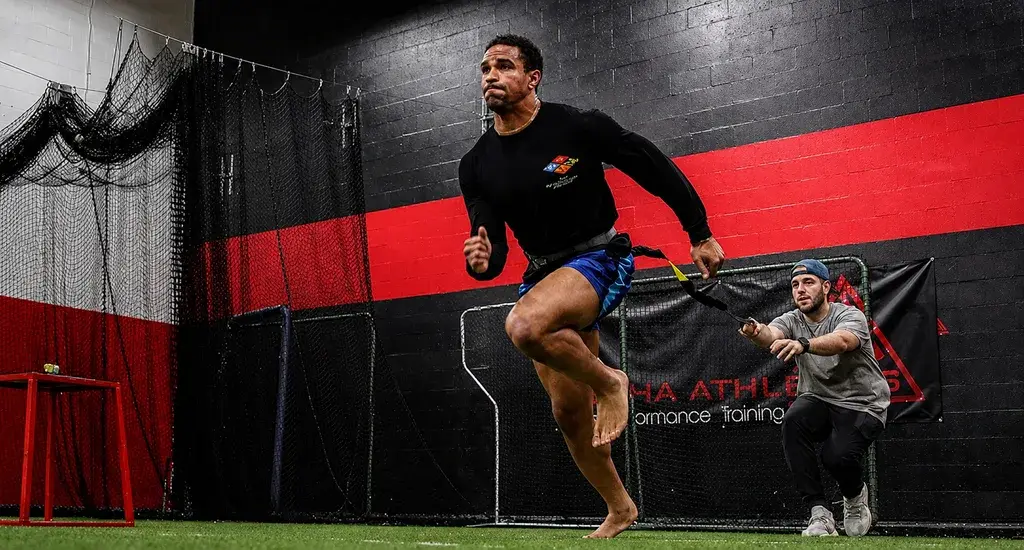
Sports physical therapy focuses on prevention, evaluation, treatment, injury recovery, and performance enhancement for physically active individuals. It is a recognized specialty area within physical therapy that addresses the physiological, psychological, and performance demands athletes place on their bodies.
You do not need to be a professional to benefit. Sports physical therapists treat athletes of all ages and competitive levels, high school soccer players, marathon runners, weekend basketball players, and tactical athletes like firefighters and military personnel.
How sports physical therapy rehabilitation works
The model follows four connected stages: prevention, treatment, rehabilitation, and education. Rather than stopping when pain resolves, sports rehabilitation continues until you can absorb the forces your sport demands and know how to avoid a repeat injury.
What Does a Sports Physical Therapist Do?
A sports physical therapist evaluates your injury, builds a treatment plan around your sport, and guides you through it. Typical services include:
- Pre-participation sports screenings before a season begins
- On-site evaluation and management of injuries at practices and events
- Treatment and rehabilitation after injury or surgery
- Injury prevention and reinjury risk reduction
- Performance enhancement: strength, power, agility, and movement efficiency
- Prescribed fitness and home exercise programs
- Equipment and footwear recommendations
- Return-to-sport evaluation before clearance
Sports PTs also coordinate with athletic trainers, orthopedic surgeons, and sports medicine physicians so your rehab matches your training plan.
Sports Physical Therapy vs. Regular Physical Therapy
Both are delivered by licensed physical therapists, but the goals and standards differ sharply.
| Factor | Regular Physical Therapy |
Sports Physical Therapy |
| Primary goal | Restore daily function, reduce pain | Return to sport and optimize performance |
| Typical patients | General population, post-surgical, chronic conditions | Athletes and physically active individuals |
| Clearance standard | Function and pain-based | Criterion-based, often ~90% limb symmetry |
| Exercise focus | General functional movement | Sport-specific patterns, speed, and load |
| Added layer | Psychological readiness, reinjury prevention |
The credential gap matters too. Any licensed PT can treat an athlete, but a sports specialist has completed additional training and board certification specific to athletic injury management.
Injuries and Conditions Sports Physical Therapy Treats
Acute injuries: ankle sprains, muscle strains, ligament sprains, and contusions sustained during play.
Post-surgical recovery: ACL reconstruction, meniscus repair, rotator cuff repair, and labral surgery.
Overuse injuries: tendinitis, bursitis, iliotibial band syndrome (often called runner’s knee), shin splints, and chronic knee or shoulder pain.
Many clinics also run sport-specific programs running gait clinics, golf rehabilitation, soccer injury programs, and throwing progressions for baseball pitchers.
Techniques and Treatments Used in Sports Physical Therapy
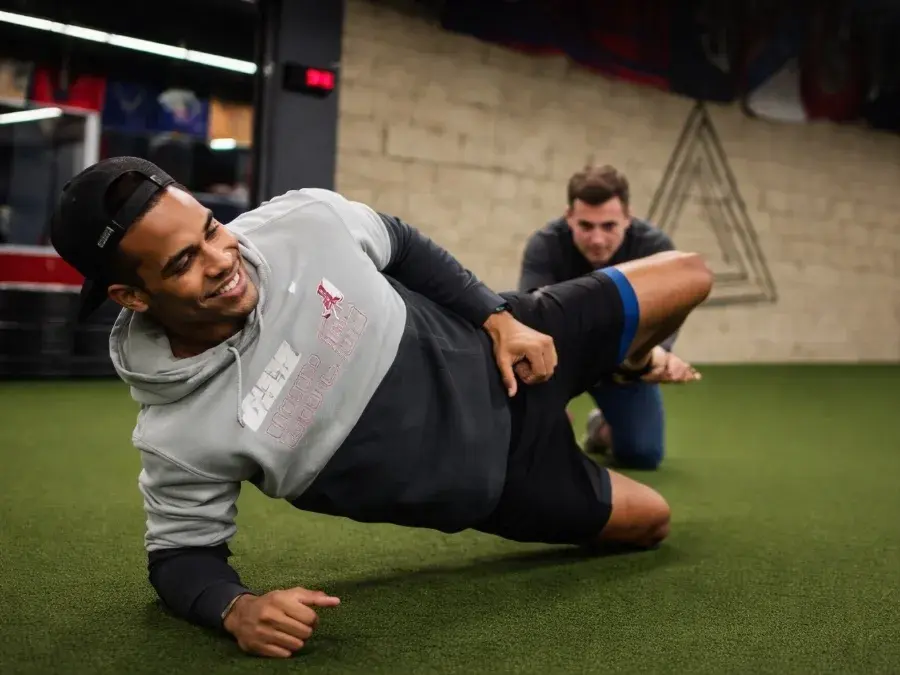
Hands-on care and modalities: manual therapy and joint mobilization, instrument-assisted soft tissue mobilization (IASTM), dry needling for trigger points and tight muscles, cupping to decompress tissue and increase blood flow, and athletic taping.
Loading and technology: progressive sport-specific exercise, plyometric training, and blood flow restriction (BFR) training, which builds strength using light loads when heavy lifting is not yet safe. Larger clinics add gait and motion analysis, force plate testing, and anti-gravity treadmills that let you run at reduced body weight while tissue heals.
How Do Sports Physical Therapists Decide You’re Ready to Return to Play?
Through objective testing, not the calendar. Rather than clearing you at a fixed number of weeks post-injury, sports PTs use criterion-based testing: single-leg hop batteries, Y-balance testing, and strength measurements comparing your injured limb to your healthy one. Many programs require roughly 90% symmetry before clearance.
Readiness is also mental. Fear of reinjury is common after a serious injury and can persist well after tissue has healed, so sports PTs assess psychological readiness and reintroduce sport stressors gradually rather than all at once.
Who Should See a Sports Physical Therapist and Where They Work
See one if you have a sports injury, are recovering from orthopedic surgery, keep re-injuring the same area, have nagging pain that limits training, or want a prevention screening before a season. Youth athletes and recreational adults benefit as much as competitors.
Sports physical therapists work in outpatient clinics, dedicated sports medicine centers, hospital-based rehabilitation departments, and private practice. Others work with college athletic departments, professional teams, or provide sideline coverage at sporting events.
What Is a Sports Physical Therapist Called? Credentials to Look For
The formal title is Board-Certified Sports Clinical Specialist (SCS), awarded by the American Board of Physical Therapy Specialties (ABPTS).
The path: earn a Doctor of Physical Therapy (DPT) degree, pass the National Physical Therapy Examination for licensure, complete 2,000 hours of direct patient care in sports or finish an accredited sports physical therapy residency, obtain emergency care and CPR certification, then pass the sports specialization exam. Sports PT residency programs shorten and structure that route.
Cost, Insurance, and Referrals
Sports physical therapy typically runs about $75 to $200 per session without insurance. With coverage, most patients pay a copay in the $20 to $60 range, though plans vary and some cap the number of visits.
You may not need a doctor’s referral. Many states allow direct access to physical therapy, at minimum for an initial evaluation, but insurance policies or state rules can still require one. After your first evaluation, your therapist should give you a projected visit range.
Frequently Asked Questions
Is sports physical therapy only for professional athletes?
No. It serves anyone physically active, including youth athletes, runners, and recreational players.
How long does sports physical therapy take?
It depends on the injury. Some athletes reach return-to-play goals in six to eight visits; surgical cases take months.
Is sports physical therapy the same as sports medicine?
No. Sports medicine is the broader field, including physicians and surgeons; sports PT is the rehabilitation specialty within it.
Do I need a referral to see a sports physical therapist?
Often not, thanks to direct access laws, but confirm with your insurer first.
Get Back to Your Sport Safely
Sports physical therapy closes the gap between pain-free and game-ready. Find a board-certified sports physical therapist near you and book an evaluation.