


Post-Surgical Rehabilitation in Cherry Hill, NJ: Get Back to Full Strength

Google Rating · 62 Reviews
Treatment Modalities
Athlete-First Approach
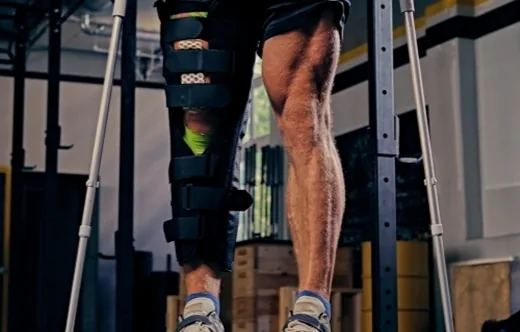
Surgery fixed the problem. Now the real comeback starts. Post-surgical rehabilitation is what turns a successful operation into a knee, shoulder or back you can trust again, whether your goal is climbing stairs without pain or getting back on the field. At Rehabletics, Dr. Jaime Mor, PT, DPT, ATC, and our team guide you through every phase of recovery with one-on-one care that follows your surgeon’s protocol and pushes you forward at the right pace. If you just had surgery, or you have one on the calendar, book a free consultation and let’s build your plan.
Ready to start strong? Call Rehabletics today to schedule your post-surgical evaluation.
What Is Post-Surgical Rehabilitation?
Post-surgical rehabilitation is a structured physical therapy program that restores motion, strength and function after an operation. Surgery repairs the damaged structure, but it can’t rebuild the muscle, flexibility and coordination you lose during the procedure and the weeks of reduced activity that follow. Rehab does that work.
Here is the part many people don’t expect: even a technically perfect surgery can leave you short of your goals without the right rehab. Healing requires rest, and rest causes muscles to weaken, tendons and ligaments to tighten, scar tissue to form and joints to stiffen. Left alone, that combination can lead to lingering pain, limited range of motion and a higher risk of reinjury.
A well-designed program protects the healing tissue while it steadily rebuilds everything surgery alone can’t restore. The goal isn’t just to heal. It’s to get you back to the activities that matter to you.
Surgeries We Help You Recover From
Every surgery has its own protocol, and we follow yours. These are the procedures we see most often at our Cherry Hill clinic.
ACL Reconstruction
ACL reconstruction rehab is a long, criteria-based journey. You progress when your knee passes specific strength, movement and hop milestones, not just when the calendar says so. Our dedicated ACL rehab program takes you from the first days after surgery all the way through return-to-sport testing.
MPFL Reconstruction
MPFL reconstruction stabilizes a kneecap that has dislocated or keeps slipping. A typical MPFL reconstruction rehab protocol starts with a brace and protected motion in the first few weeks, builds toward full range of motion and quad strength over the next two to three months, and introduces running and sport drills later once strength and control tests are passed. Your surgeon sets the exact limits, and we progress you within them.
Knee Arthroscopy, Meniscus Debridement and Meniscus Repair
Knee arthroscopy with meniscus debridement (trimming a torn piece of the meniscus) is one of the quicker recoveries. Many people walk normally within days and return to exercise in about four to six weeks. A meniscus repair, where the tear is stitched, is different. It needs more time with protected weight bearing and bending, so the recovery is usually several months. Knowing which procedure you had makes a big difference in how we plan your rehab. For broader knee concerns, see our knee pain treatment page.
Joint Replacement Surgery
Knee and hip replacements need early movement to prevent stiffness, then steady strength, balance and gait work to get you walking confidently again. Our guide to knee replacement recovery walks through what to expect in more detail.
Lumbar Spinal Fusion and Spine Surgery
Spinal fusion surgery recovery is a gradual process because the bones need time to fuse into one solid segment. In the early weeks, most people focus on walking and follow bending, lifting and twisting restrictions. Outpatient physical therapy often begins once your surgeon clears you, commonly somewhere between six weeks and three months after lumbar spine fusion surgery. From there, we rebuild core and hip strength, teach safe body mechanics and help you return to work, training and daily life. Our spine rehab program covers the full picture.
Cervical Disc Replacement
A cervical disc replacement rehab protocol usually starts a few weeks after surgery, once your surgeon gives the green light. Therapy focuses on posture, gentle neck mobility, shoulder blade and deep neck strength, and a gradual return to lifting and sport.
Shoulder, Elbow, Ankle and Other Orthopedic Surgeries
We also guide recovery after rotator cuff and labrum repairs, Tommy John (UCL) reconstruction, ankle ligament and Achilles repairs, and other orthopedic and sports surgeries. If you are unsure whether your procedure is a fit, give us a call and we’ll talk it through.
The Phases of Post-Surgical Rehabilitation
One of the most common questions we hear is, “How long will this take, and what should I expect?” Recovery moves through predictable phases. Knowing them ahead of time takes a lot of the anxiety out of the process and helps you measure your own progress. The timing below is a general guide. Your surgery, your health and your surgeon’s protocol set the exact pace.
Phase 1: Protection and Healing (Days 1 to 14)
The first phase begins right after surgery and centers on protecting the surgical site. The goals are simple but important: control pain, reduce swelling, care for the wound and prevent excessive scar tissue.
Your therapist guides you through gentle range-of-motion and circulation exercises that promote healing without putting your repair at risk. You’ll learn how to use slings, crutches or braces correctly and what warning signs to watch for, such as signs of a blood clot or infection. Cold therapy and compression help keep swelling in check during this stage.
Phase 2: Restoring Mobility (Weeks 2 to 6)
Once the tissue is healing well, the focus shifts to regaining movement. Stiffness is the biggest obstacle in this phase, so we progress you to more advanced range-of-motion and flexibility work along with light strengthening.
This is where hands-on care makes a real difference. Manual therapy techniques such as soft-tissue mobilization and gentle joint mobilization help ease pain, reduce adhesions and prepare your body for the harder work ahead. Many patients are able to reduce or stop pain medication during this stage.
Phase 3: Rebuilding Strength (Weeks 6 to 12)
By now your surgical site has healed, but your body still isn’t back to full capacity. This phase rebuilds the muscle, stability and endurance you lost. We design progressive resistance programs that increase in intensity, always matched to where you are in recovery.
When heavy loads aren’t safe yet, blood flow restriction training lets you build strength with light weights. If your surgery affected your balance or walking pattern, as is common after ACL reconstruction or a hip or knee replacement, we add targeted gait and balance training. The goal is practical: stairs, groceries and moving comfortably through your day.
Phase 4: Return to Function and Sport (Months 3 to 6 and Beyond)
The final phase is about full restoration. For active adults and athletes, we add advanced strengthening, agility drills, running progressions and sport-specific training, along with a personalized return-to-activity plan.
We fine-tune your movement patterns and biomechanics to lower your risk of future injury. Objective tools like force plate testing help show when your surgical side is ready to keep up with the other side. By the end of this phase, you’ll move to an independent home program that protects your gains for the long term.
What’s Normal After Surgery? A Week-by-Week Guide
Searching “is this normal?” at 2 a.m. is part of almost every recovery. Here is what many people experience at common checkpoints. Always call your surgeon about anything that worries you.
1 Day Post Surgery
The first day is about rest, pain control and protection. Expect swelling, soreness and possibly numbness from anesthesia or a nerve block. Short, gentle movements such as ankle pumps, deep breathing and brief walks (if your surgeon allows) help circulation. Keep your dressing clean, take medication as prescribed and keep the area elevated.
2 Weeks Post Surgery (Days 10 to 14)
Around 11 days post op, many people have stitches or staples removed and notice swelling starting to settle. Pain is usually more manageable, and you may be weaning off stronger medication. This is often when range-of-motion work picks up. Feeling tired is normal, because your body is still putting a lot of energy into healing.
3 Weeks Post Op
If your surgery was 3 weeks ago, you’re likely moving more freely, walking farther and doing more on your own. You may still have stiffness first thing in the morning and some swelling at the end of a busy day. This is a key window. Consistent rehab now helps prevent the stiffness and weakness that are much harder to fix later. It’s also a common point where people feel good and want to do too much, so stick to your plan.
Warning Signs to Call Your Surgeon About
- Fever, chills or increasing redness, warmth or drainage at the incision
- Calf pain, swelling or tenderness in one leg
- Shortness of breath or chest pain (call 911)
- Sudden, severe pain or a major loss of motion
- New numbness, weakness or loss of bladder or bowel control after spine surgery
How Long Does It Take to Recover From Surgery?
Recovery time depends on the procedure, your health before surgery and how consistently you follow your program. As a general guide, smaller arthroscopic procedures may take a few weeks to a couple of months, while reconstructions, joint replacements and spinal fusions often take several months or more before you return to demanding activities.
Procedure | General recovery picture |
Knee arthroscopy or meniscus debridement | Walking within days; exercise often around 4 to 6 weeks |
Meniscus repair | Several months with protected weight bearing early on |
MPFL reconstruction | Running often around 3 months; sport later, based on testing |
ACL reconstruction | Typically 9 to 12 months to return to pivoting sports |
Lumbar spinal fusion | PT often starts 6 weeks to 3 months after surgery; fusion keeps maturing for months |
Cervical disc replacement | PT often starts a few weeks after surgery; most activities around 3 months |
These ranges come from published surgical protocols and vary between surgeons. Your therapist will give you a personalized estimate at your first visit and update it as you progress.
Ask a Specialist!
🔒 Your info is safe. We never share it.
How Post-Surgical Rehabilitation Helps You Recover
Every phase is built around results you can feel. Here is what consistent, guided rehab delivers.
A Smoother, More Complete Recovery
Patients who follow a structured program tend to recover more smoothly than those who go it alone. Therapeutic movement improves circulation, which brings oxygen-rich blood to healing tissue and helps your body repair efficiently.
Effective Pain Management
Pain is one of the biggest barriers to recovery, so it’s one of the first things we address. Manual therapy, therapeutic exercise and modalities such as ice, heat, compression and electrical stimulation help control discomfort so you can participate fully and rely less on medication.
Restored Mobility and Strength
Targeted exercise and hands-on techniques rebuild your range of motion, flexibility and strength step by step, so you can move freely and use the affected area with confidence.
H3: A Safe Return to Your Routine
Jumping straight back into old activities is one of the fastest ways to get reinjured. Functional training with real-world movements prepares you for work, family life, hobbies and sport.
Knowledge That Protects Your Recovery
Your therapist teaches you post-operative precautions, self-care strategies and home exercises that keep your progress on track long after your sessions end.
Is Short-Term Rehab After Surgery Effective?
Yes. Even a short, focused course of outpatient physical therapy after surgery helps most people regain motion faster, walk with better mechanics and feel more confident doing everyday tasks. The early weeks are when stiffness and muscle loss set in the fastest, so guided care during that window has a big impact. For athletes and very active adults, a longer program that continues into strength and return-to-sport training usually pays off with a stronger, more resilient result.
Surgical Recovery Therapy: What’s Included
Your plan at Rehabletics draws on a full toolkit of treatments, combined and adjusted as you move through recovery:
- Manual therapy: hands-on techniques that address scar tissue, joint stiffness and tissue restrictions
- Therapeutic exercise: progressive programs that rebuild strength, flexibility and endurance for your procedure
- Pain-relief modalities: ice, heat, NICE compression and electrical stimulation to manage pain and swelling
- Strength tools: NMES and Suji blood flow restriction training to restart and rebuild muscle early
- Balance and gait training: coordination and walking-pattern work for surgeries that affect stability
- Objective testing: KINVENT force plates and strength testing to guide progression decisions
- Functional and sport-specific training: task-based movements that prepare you for the activities you care about
- Patient education and home programs: practical guidance so you stay in control of your recovery
Why Choose Rehabletics for Post-Surgical Rehab in Cherry Hill, NJ
Recovery is personal, and so is the care you’ll get with us.
We coordinate with your surgical team. We understand surgical protocols and stay aligned with your surgeon, so your rehab progresses at the right pace, protecting healing tissue while moving your recovery forward.
You get one-on-one time with a Doctor of Physical Therapy. Your sessions are with your therapist, not split between several patients at once.
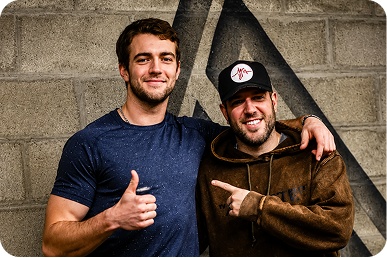
You’re in the hands of a sports expert. Dr. Jaime Mor, PT, DPT, ATC, leads our team, which serves as a PT contractor for the Philadelphia Flyers and Philadelphia Eagles. The same performance-level approach guides every patient, from high school athletes to weekend warriors.
Your plan is built around you. We tailor every program to your surgery, your goals and your daily life, then adjust as you improve. It’s never a one-size-fits-all routine.
We help you before surgery, too. If your operation is still ahead, pre-surgical rehabilitation builds strength and motion beforehand so you start recovery from a stronger position.
Serving Cherry Hill and South Jersey
Our clinic is at 5 Esterbrook Lane in Cherry Hill, NJ, close to home for patients across Camden and Burlington counties. Regular, in-person care matters when recovery means showing up week after week, and many of our patients drive in from nearby towns such as Voorhees and Haddonfield. In New Jersey, you can also start physical therapy without a referral, although we always coordinate with your surgeon after an operation.
Start Your Recovery With Rehabletics
You don’t have to navigate recovery on your own, and you don’t have to settle for “good enough.” With the right plan, you can move better, get stronger and get back to the life you had before surgery.
Whether your surgery is already scheduled or behind you, the best time to plan your recovery is now. Our Cherry Hill team is ready to build a plan around your procedure and your goals.
Book your free consultation or call 609-354-7987 to start your post-surgical rehabilitation in Cherry Hill, NJ.
Ask a Specialist!
🔒 Your info is safe. We never share it.
Frequently Asked Questions
When should I start post-surgical rehabilitation after surgery?
It depends on your procedure, but rehab often begins within the first few days to two weeks after surgery. Some spine and shoulder surgeries start a little later, once your surgeon clears you. Early, guided movement helps control pain and prevent stiffness, and we coordinate with your surgeon to set the safest start date.
How long does post-surgical rehabilitation take?
Most recoveries move through four phases over several months. Smaller procedures such as meniscus debridement may take a few weeks, while ACL reconstruction, joint replacement or spinal fusion can take several months or more. Your therapist will give you a personalized estimate at your first visit.
Will post-surgical rehabilitation be painful?
You may feel some discomfort, especially early on, but your program is designed to manage pain, not create it. We use manual therapy, gentle progressions and modalities like ice, heat and compression to keep you comfortable. Most patients find that rehab reduces their pain over time.
Do I really need rehab if my surgery went well?
Yes. A successful surgery fixes the structural problem, but it doesn't rebuild the strength, flexibility and coordination lost during recovery. Skipping rehab often leads to stiffness, weakness and reinjury, even after a great operation. Rehab protects your surgeon's work and supports the best long-term result.
Is it normal to still have swelling 3 weeks after surgery?
Yes, it's common to have some swelling at three weeks, especially at the end of an active day. It should be gradually improving. Elevation, compression and your exercise program help. Swelling that suddenly gets worse, or comes with redness, heat or calf pain, should be checked by your surgeon.
Can you work with my surgeon's recovery plan?
Absolutely. We follow your surgical protocol, stay aligned with your surgeon's guidance and progress your treatment at the right pace for your healing tissue.