


Pain Management Treatments in Cherry Hill, NJ

Google Rating · 62 Reviews
Treatment Modalities
Athlete-First Approach
You were told to rest it, ice it, and give it time. Weeks later, the ache is still there when you get out of bed, still there on the stairs, still there when you try to play with your kids or get through a shift. Pain that outlasts its healing window is not something you have to accept.
At Rehabletics Sports Physical Therapy, our pain management treatments in Cherry Hill, NJ, start by identifying what is actually driving your symptoms, then treating them directly with hands-on care and targeted movement. No injections. No prescriptions. No guesswork.
Ready to stop guessing? Book Your Pain Relief Evaluation and get answers on day one.
What Pain Management Treatments Actually Involve
Pain management means identifying the source of your discomfort and reducing it through a coordinated plan rather than a single quick fix. Some clinics approach that with needles and nerve blocks. We work through the musculoskeletal system, because most persistent pain traces back to how a joint moves, how a muscle loads, and how your nervous system has learned to protect the area.
Your first visit is a full evaluation. You walk, bend, reach, and load the painful area while a licensed physical therapist watches how your body compensates. That movement screen, paired with your symptom history, shows whether the problem sits in the joint, the soft tissue, the nerve, or the movement habit built around it. From there, you get a plan you can follow, and you know why each piece is there.
Pain We Treat in Cherry Hill
Persistent pain shows up in predictable places, and most of it responds well to conservative care:
- Neck and back pain, including disc irritation, sciatica, and stiffness from desk work or driving
- Shoulder and arm pain, from rotator cuff strain and impingement to tennis elbow
- Hip, knee, leg, and foot pain, including arthritis, tendonitis, plantar fasciitis, and post-surgical stiffness
- Sports and overuse injuries that keep coming back every season
- Chronic pain that has already outlasted therapy, medication, or an injection series
If your imaging came back unremarkable but the pain is real, you are exactly the patient conservative pain treatment in Cherry Hill, NJ is built for.
Ask a Specialist!
🔒 Your info is safe. We never share it.
How Baseball Injuries Are Diagnosed
Pinpointing the cause of throwing pain is genuinely difficult, which is why a careful, hands-on assessment matters so much. Pain in the shoulder or elbow can stem from inflamed tendons, a loose joint, a torn labrum, or a combination of all three, and these problems do not always announce themselves cleanly.
When you come to Rehabletics, we start with your throwing history and a thorough physical examination of the joint. We compare the injured side to the healthy side, test your range of motion, and assess the stability and strength of the surrounding muscles. Imaging, such as X-rays or an MRI can help, though imaging has real limits. MRI reports often over-describe normal, age-related changes, so we read those results in the context of how your arm actually feels and performs rather than treating a scan as the final word.
The goal is simple: an accurate picture of what is driving your pain, so your treatment targets the real problem instead of guessing.
Our Pain Management Treatments
Our team combines several of the following, matched to your findings rather than to a fixed protocol.
Manual Therapy and Joint Mobilization
Skilled hands-on work restores motion in stiff joints and releases the tissue guarding around them. This is often where you feel the first meaningful change, sometimes within a visit or two.
Dry Needling and Trigger Point Release
Tight bands of muscle refer pain far from where they sit. Precise needling and manual release calm those trigger points so the surrounding area stops compensating. Learn more about dry needling and how it fits into your plan.
Corrective Exercise and Movement Retraining
Relief holds when the pattern that caused the pain changes. You get a short, specific program that rebuilds strength and control in the exact positions that hurt, progressed as you improve.
Soft Tissue Work, Cupping, and IASTM
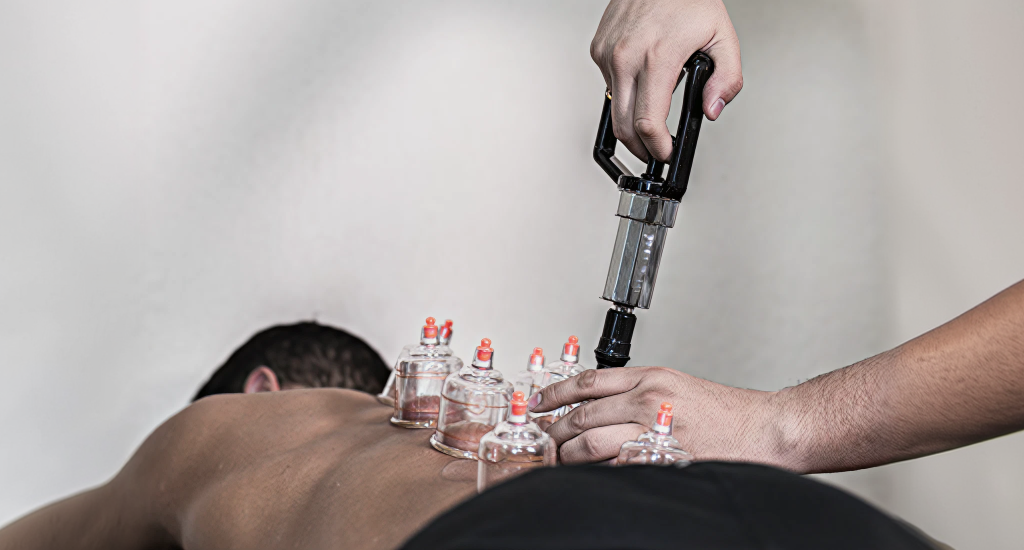
Instrument-assisted techniques and cupping improve tissue glide and blood flow in scarred or restricted areas, making strengthening work far more comfortable.
Modalities for Acute Flare-Ups
When symptoms spike, electrical stimulation, therapeutic ultrasound, and heat or cold therapy bring inflammation down fast so you can keep progressing instead of losing a week.
Return-to-Activity Programming
Once pain settles, the focus shifts to getting you back to running, lifting, golf, or a physical job without the flare-up cycle repeating. See our sports injury rehabilitation approach for that progression.
Not sure which treatment fits your pain? Call 609-354-7987 to talk it through with a therapist.
Your Four-Step Path to Relief
- Evaluation: A full movement, strength, and symptom assessment with a licensed therapist, roughly 30 minutes.
- Diagnosis and plan: You leave visit one knowing the likely source of your pain, your timeline, and your visit frequency.
- Active treatment: Hands-on care in the clinic plus a short home program between sessions.
- Prevention: Strength and mobility work that keeps the pain from returning after discharge.
What to Expect From Treatment
Some patients notice looser movement and less pain after two or three sessions, especially when stiffness or trigger points are the main driver. Longer-standing symptoms improve in stages as tissue tolerance builds.
You may feel mild soreness after hands-on work or needling, similar to the day after a good workout, and it fades quickly. What matters more is the trend, tracked visit by visit with objective measures: range of motion, strength testing, and how far you can walk or lift before symptoms start.
If your response stalls, that is still useful information. It points to a source elsewhere, so your plan changes or you get referred for imaging or a specialist opinion instead of repeating a treatment that is not working.
Why Cherry Hill Patients Choose Rehabletics
- One therapist, start to finish: You see the same licensed physical therapist every visit, not a rotating cast of aides.
- Hands-on time, not machine time: Your session centers on skilled treatment and coached exercise.
- A drug-free, non-surgical first step: Conservative pain management often resolves symptoms without injections or an operating room, and it costs less to try.
- Easy to reach: Convenient for patients across Cherry Hill, Haddonfield, Voorhees, and Marlton.
Referrals and Getting Started
New Jersey direct access lets you begin physical therapy without a physician referral in most cases, so you can start this week.
Stop working around your pain. Call 609-354-7987 or request an appointment online to schedule your evaluation for pain management treatments in Cherry Hill, NJ
Ask a Specialist!
🔒 Your info is safe. We never share it.
Frequently Asked Questions
How long before I feel relief from pain management treatments?
Many patients feel some change within the first two or three visits, particularly when stiffness or muscle trigger points drive the symptoms. Longer-standing pain typically improves over four to eight weeks as strength and tissue tolerance build. Your therapist gives you a realistic timeline at the evaluation, not an open-ended plan.
Can pain management treatments help me avoid injections or surgery?
Often, yes. When joint restriction, soft tissue irritation, or a faulty movement pattern causes the pain, conservative care can resolve it on its own. If your response shows the problem needs imaging or an interventional opinion, we say so and coordinate that referral.
Is dry needling painful?
Most patients describe a brief twitch or cramping sensation rather than sharp pain. The needles are very thin, and treatment takes only a few minutes per area. Mild soreness for a day afterward is normal and usually gives way to noticeably freer movement.
Will my pain come back after I finish treatment?
Not if the underlying cause is addressed. That is why every plan ends with a prevention phase, a short strength and mobility routine matched to your work, sport, and daily demands. Patients who maintain that routine after discharge are far less likely to have symptoms return.