


One wrong step on the field can stop your whole routine. Sports injuries can be sudden or slow. Acute injuries happen fast. Chronic musculoskeletal injuries grow over time and affect muscles and joints.
Each year, over 8.6 million sports and recreation injuries happen in the United States. That is a huge number. Physical therapy stands as the base of recovery and helps restore strength and safe movement.
For the best sports injury treatment, Cherry Hill, NJ, offers modern care close to home. This guide explains the best treatments, nonsurgical and surgical options, shoulder, knee, and ankle care, plus recovery tips and prevention.
Understanding Acute vs. Chronic Sports Injuries
Sports injuries fall into two main types. Doctors call them acute and chronic. Both affect muscles, bones, ligaments, or joints. The cause and treatment are not the same.
Acute injuries happen all at once. You may hear a pop or feel sharp pain. Swelling often appears fast. These injuries are common in sports that involve jumping, running, or contact.
Examples of acute injuries:
- Sprains (ligament stretch or tear)
- Fractures (broken bones)
- Dislocations (bone moves out of place)
- Muscle tears
Acute injuries need quick care. The RICE method helps in the first 24 to 72 hours:
- Rest the injured area
- Ice for 15 to 20 minutes
- Compression with a bandage
- Elevation above heart level
Chronic injuries build up over time. Pain starts mild and grows slowly. These injuries come from repeated stress on the body.
Examples of chronic injuries:
- Tendonitis (inflamed tendon)
- Stress fractures (small bone cracks)
- Bursitis (inflamed joint cushion)
Chronic injuries need rehab exercises and careful control of activity level. In this case, you should carefully choose the right physical therapy center like Rehabletics.
Common Treatments for Sports Injuries in Cherry Hill, NJ
Sports injuries need the right care at the right time. In Cherry Hill, patients have access to modern clinics and trained specialists. Below are the most common treatments doctors use for safe and steady recovery.
Physical Therapy – The Cornerstone of Recovery
Physical therapy plays a key role in healing. It helps restore movement, strength, and flexibility after injury. A trained therapist guides each session and builds a plan based on your condition.
Studies show proper therapy can lower the risk of repeat injury by 30 to 50 percent. It also improves balance and joint control. Many mild to moderate injuries heal within 4 to 8 weeks. However, you need to find the right therapist first. For safe options, you can check your Rehabilitics plan in NJ.
Therapists use different methods during sessions:
- Cold therapy to reduce swelling
- Heat therapy to relax tight muscles
- Ultrasound therapy sends sound waves into deep tissue
- Aquatic therapy in warm water pools
- Massage therapy to ease muscle tension
Manual therapy means hands-on joint and muscle work. Corrective exercises fix weak areas and improve posture. These steps form the best treatment for sports injuries in many cases.
Immobilization
Some injuries need rest in a firm support. Doctors use braces, casts, or splints to hold the area still. This protects bones and ligaments during early healing.
Immobilization helps with:
- Fractures
- Severe sprains
- Joint instability
The time frame is often 2 to 6 weeks. The exact period depends on the injury level. After this stage, your mobility therapy service may start its usual therapy.
Anti-Inflammatory Medication
Doctors may suggest NSAIDs such as Ibuprofen or Naproxen. These medicines reduce pain and swelling. They help patients feel more comfortable during early recovery.
Short use is safest. Long use may slow tissue repair. Always follow medical advice. Medicine should support healing, not replace proper treatment. In this case, you can rely on an expert solution, like Rehabilitics’ R.E.P.A.I.R. Lab.
Ice and Heat Therapy
Ice works best in the first 24 to 72 hours after injury. It can lower the swelling and numb pain. Apply for 15 to 20 minutes at a time.
Heat works well for stiff muscles or chronic pain. It improves blood flow and relaxes tight tissue. Use heat only after swelling goes down.
Cellular Therapy (Regenerative Medicine)
Cellular therapy aims to repair damaged tissue. One option is PRP, which stands for Platelet-Rich Plasma. It uses a small sample of your blood to help tissue repair.
Stem cell therapy is another option. It supports tendon and ligament repair. Many patients see progress within 4 to 6 weeks.
This method often lowers the need for surgery. Doctors may suggest it for stubborn injuries that do not improve with basic care.
Laser Treatment for Sports Injuries
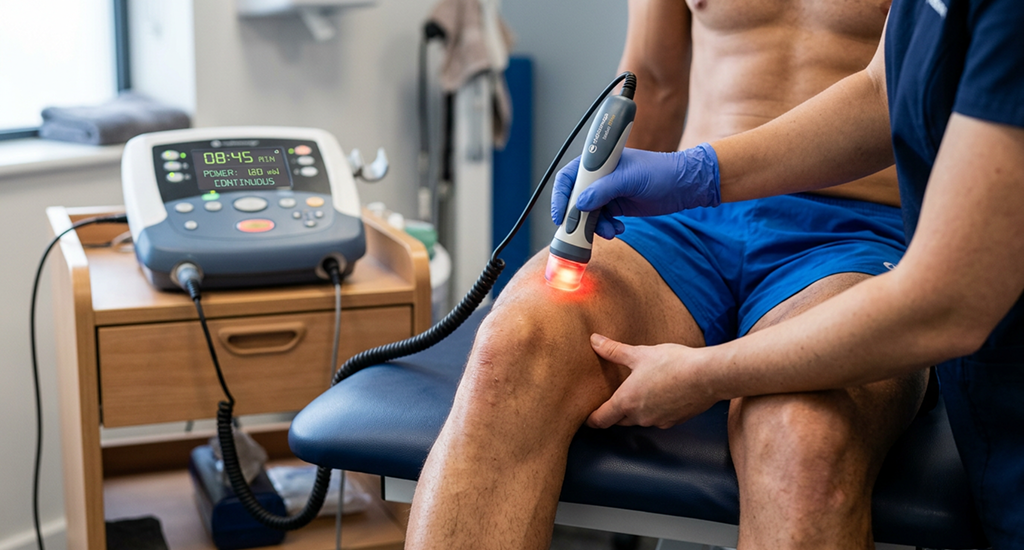
Low-Level Laser Therapy uses light energy to support cell repair. The light reaches deep tissue without pain. Sessions are short and simple.
Benefits may include:
- Lower inflammation
- Less pain
- Faster tissue repair
Most treatment plans include 6 to 12 sessions. This option works well with therapy or other care methods.
Nonsurgical Treatment for Sports Medicine Injuries
Many patients heal without surgery. In fact, about 70 to 90 percent of sports injuries improve with conservative care.
Nonsurgical options include:
- Physical therapy
- Chiropractic treatment for sports injuries
- Regenerative medicine
- Bracing
- Targeted injections
This path focuses on safe recovery and long-term joint health.
Surgical Treatment (When Necessary)
Some injuries require surgery. This happens when damage is severe or unstable.
Common surgical cases:
- Torn ACL in the knee
- Severe rotator cuff tears in the shoulder
- Complex fractures
Arthroscopy is a small camera procedure used in many joint surgeries. Recovery may take 6 weeks for minor repair or up to 6 months for major reconstruction.
Shoulder, Knee, and Ankle Sports Injury Treatment
Shoulder, knee, and ankle injuries are very common in sports. These joints carry heavy stress during running, jumping, and lifting. Each area needs a specific treatment plan for safe healing.
Shoulder Sports Injury Treatment
Shoulder injuries include rotator cuff tears, labral tears, and shoulder impingement, which means tendon pressure inside the joint. Treatment may include physical therapy, anti-inflammatory medicine, or PRP injections. Severe damage may need arthroscopic surgery. Recovery ranges from 4 weeks to 6 months.
Knee Sports Injury Treatment
Knee injuries often involve ACL or MCL tears, meniscus tears, or runner’s knee, which causes front knee pain. Treatment may include bracing with physical therapy, PRP injections, or arthroscopy. ACL reconstruction rehab usually takes 6 to 9 months.
Ankle Sports Injury Treatment
Ankle problems include sprains from Grade I to Grade III, Achilles tendonitis, and fractures. Early care follows the RICE method. Therapy adds balance and stability exercises. Severe injuries, such as full ligament tears or unstable fractures, may need surgery.
For these injuries, you need therapy from a reliable clinic’s pain relief program. Many sportsmen got quick relief after being treated by Rehabilitics’ pain relief and repair service.
3 Best Sports Injury Clinics in NJ, Cherry Hill to Get Sports Injury Treatment
The best sports injury clinic in Cherry Hill, NJ, depends on the type of injury you have, the level of activity you want to return to, and the treatment approach you prefer. Below are strong options to consider.
1. Rehabletics Sports Physical Therapy
Athletes seeking structured, performance-based recovery often choose Rehabletics. Their team evaluates strength deficits, joint stability, balance, and movement mechanics to identify root causes, not just symptoms, creating precise treatment plans designed to prevent reinjury.
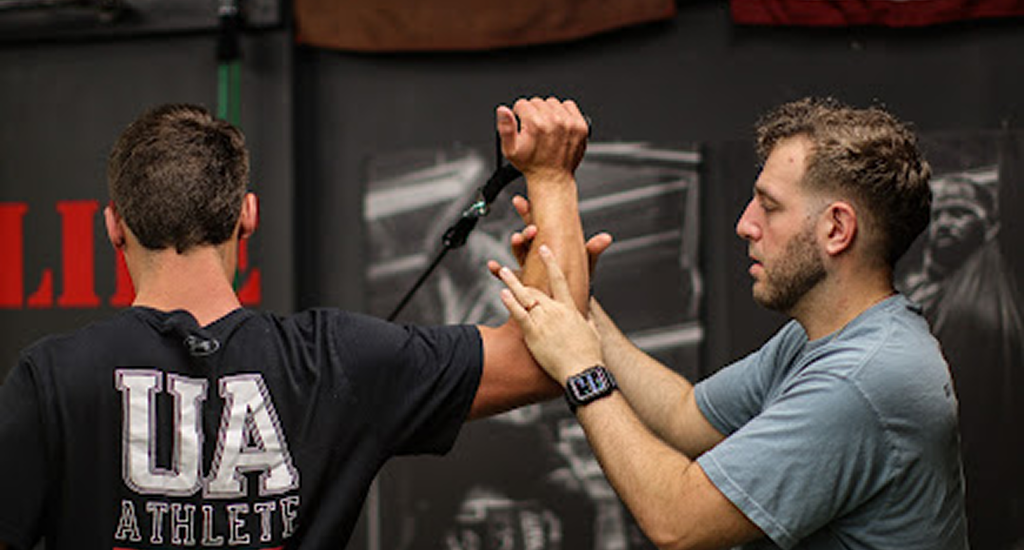
Treatment progresses through clear phases, beginning with inflammation control and mobility restoration. As healing advances, therapy shifts toward strength rebuilding and sport-specific drills, ensuring athletes meet measurable benchmarks before safely returning to competition.
Rehabletics is ideal for ligament injuries, ankle instability, muscle tears, and repetitive stress conditions. Youth and competitive athletes benefit from structured testing protocols that confirm readiness and reduce the likelihood of premature return.
2. The Training Room – Sports & Orthopedic Physical Therapy
This clinic blends orthopedic and sports rehabilitation, making it well-suited for post-surgical recovery like ACL reconstruction, meniscus repair, or shoulder procedures. Their Return 2 Play program gradually reintroduces agility, coordination, and sport-specific movements under supervision.
3. Athlete’s Edge Physical Therapy
Athlete’s Edge is recognized for ACL rehabilitation and long-term athletic development. Programs emphasize strength symmetry, neuromuscular control, and explosive power, helping athletes rebuild confidence and transition smoothly from rehabilitation into competitive performance training.
What Helps Sports Injuries Heal Faster?
Sports injuries heal faster when treatment begins early, and recovery is managed strategically. The body follows predictable healing phases, and supporting each stage with proper care, nutrition, and rest significantly reduces downtime and complications overall.
Early Diagnosis
Identifying the exact injury quickly prevents worsening damage. Prompt evaluation helps determine whether the issue is a strain, sprain, tear, or fracture, allowing targeted treatment instead of delayed or incorrect self-care.
Immediate Ice Therapy
Applying ice within the first 24-72 hours reduces inflammation, swelling, and pain. Use it for 15-20 minutes at a time, several times daily, to control tissue damage during the acute phase.
Following a Structured Rehab Plan
A guided rehabilitation program restores mobility, strength, and joint stability in phases. Progressive loading prevents stiffness while minimizing re-injury risk, ensuring tissues rebuild properly before returning to full activity.
Proper Nutrition
Healing tissues require fuel.
- Protein (1.2-2.0 g/kg body weight): Supports muscle and tendon repair.
- Vitamin C: Aids collagen synthesis and immune response.
- Collagen supplementation: May improve tendon and ligament recovery when combined with vitamin C.
Sleep (7-9 Hours Per Night)
Deep sleep stimulates growth hormone release, accelerating tissue repair and reducing inflammation.
Avoiding Premature Return to Sport
Returning too soon increases reinjury risk. Full strength, stability, and pain-free movement should be restored before resuming competition.
Final Thought
Physical therapy remains the foundation of effective sports injury treatment, restoring strength, mobility, and stability after both acute and chronic injuries. Advanced nonsurgical options like regenerative therapy and laser treatment further support healing without invasive procedures.
Early diagnosis prevents long-term damage and speeds recovery. For faster, safer results, seek professional sports injury care in Cherry Hill like Rehabilitics. So, book your consultation at Rehabilitics today and schedule a same-day evaluation to return stronger and pain-free.